
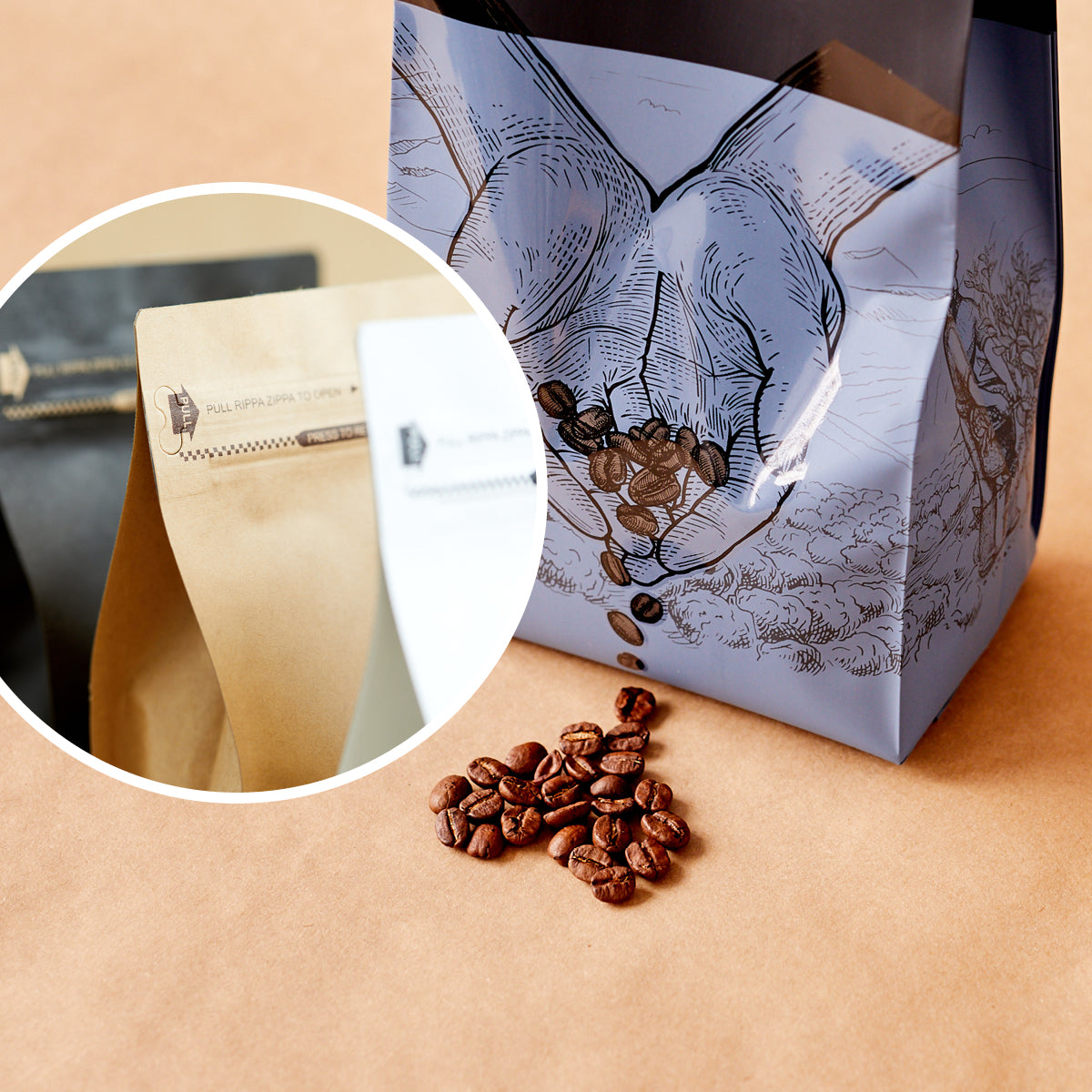
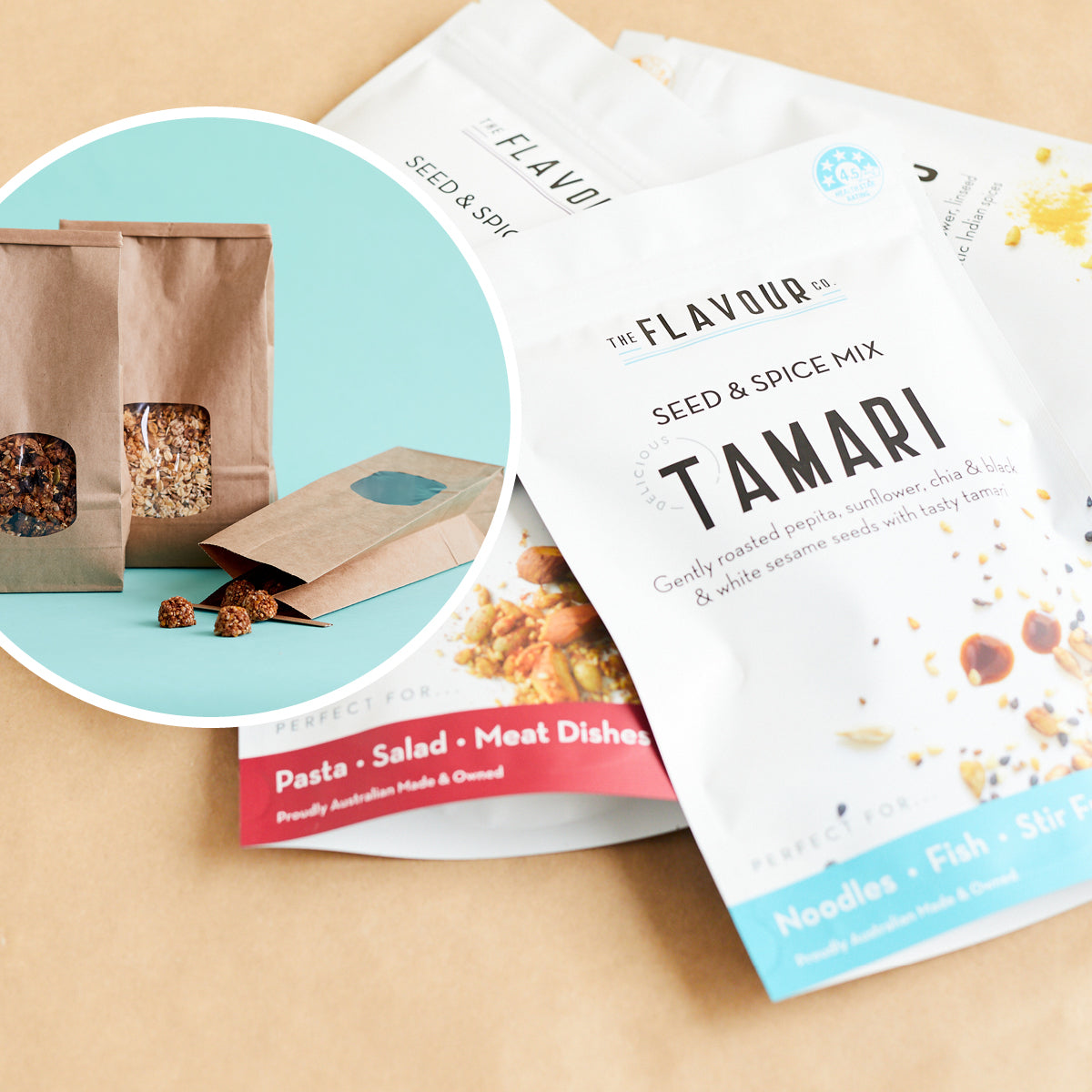
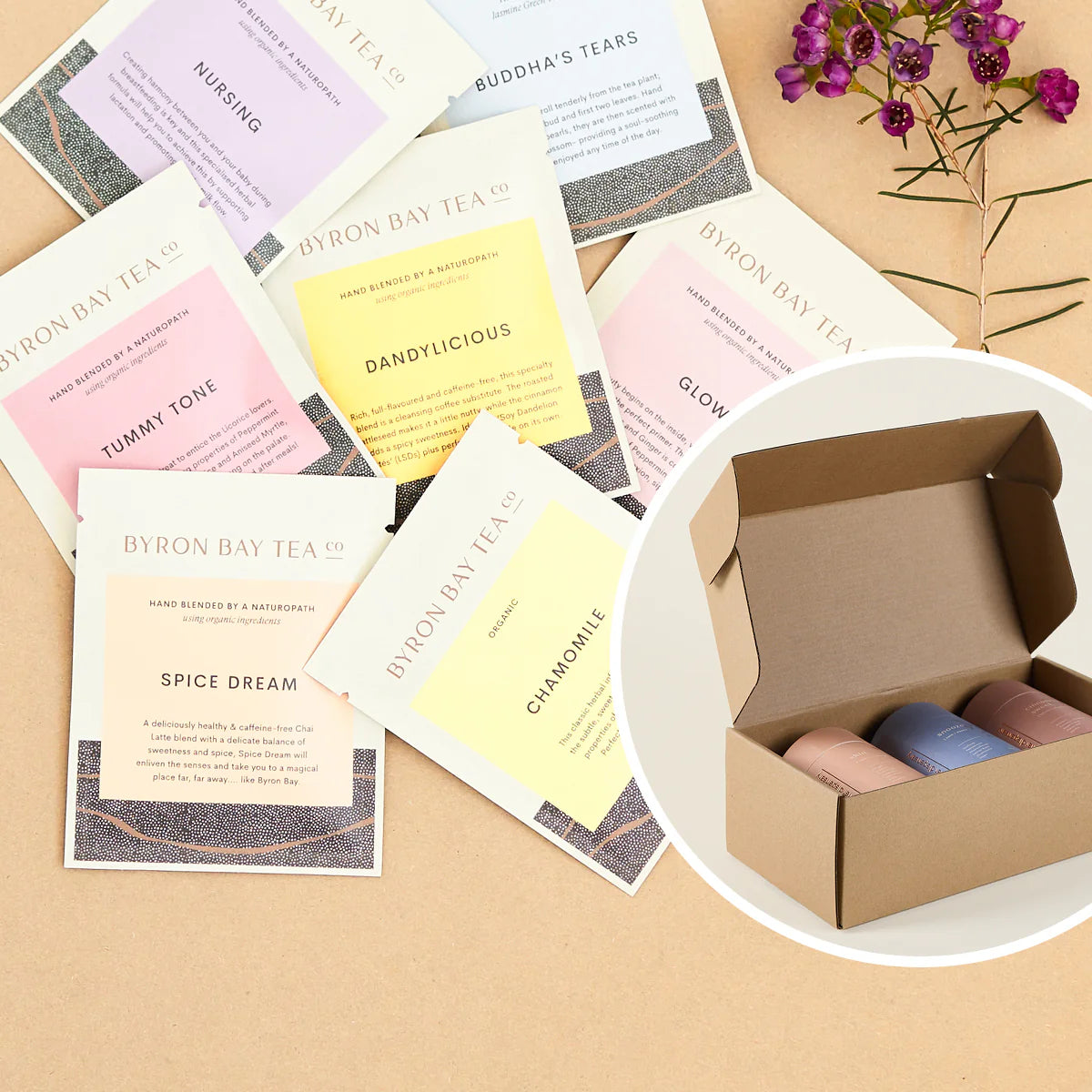
fully custom packaging design
Mailing Box
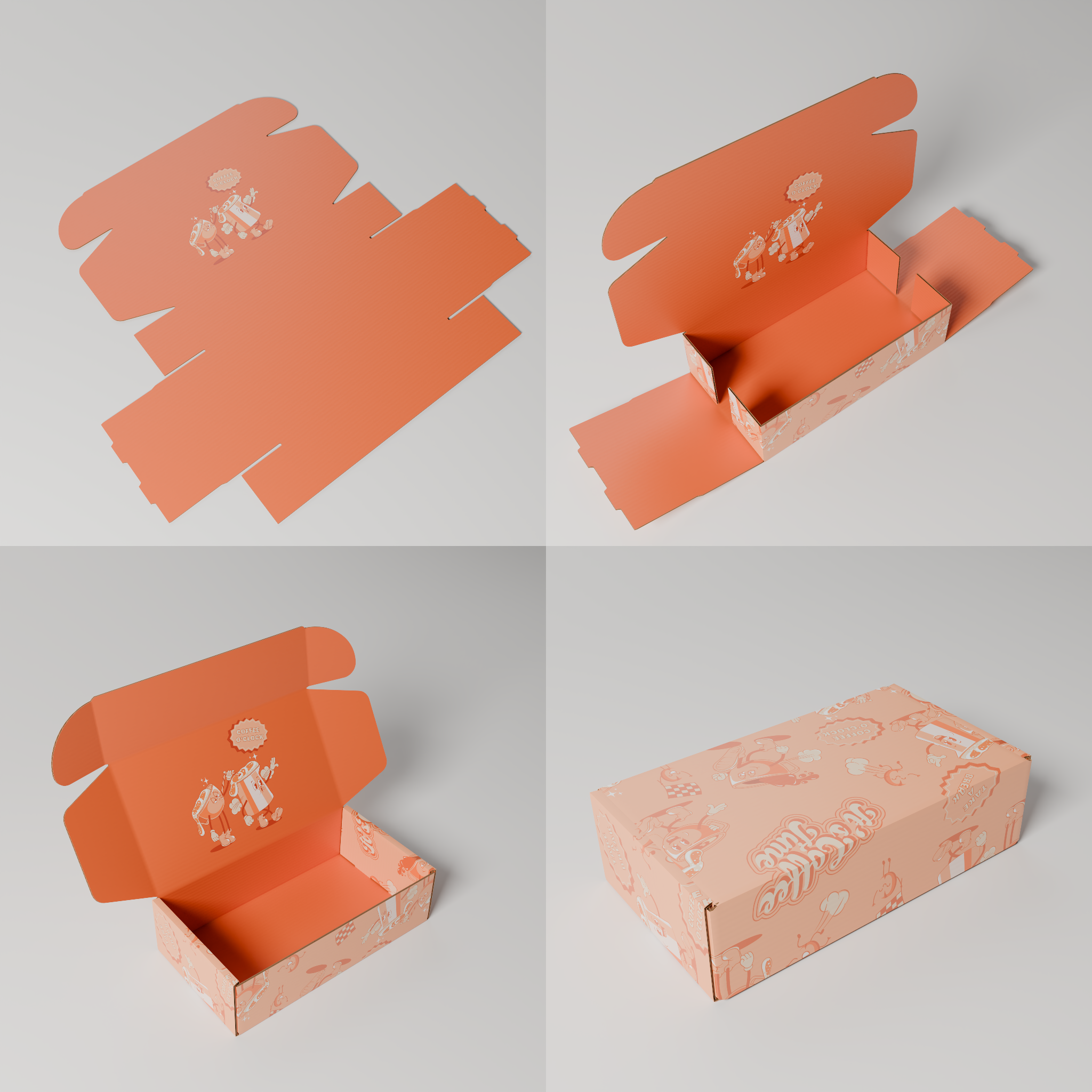
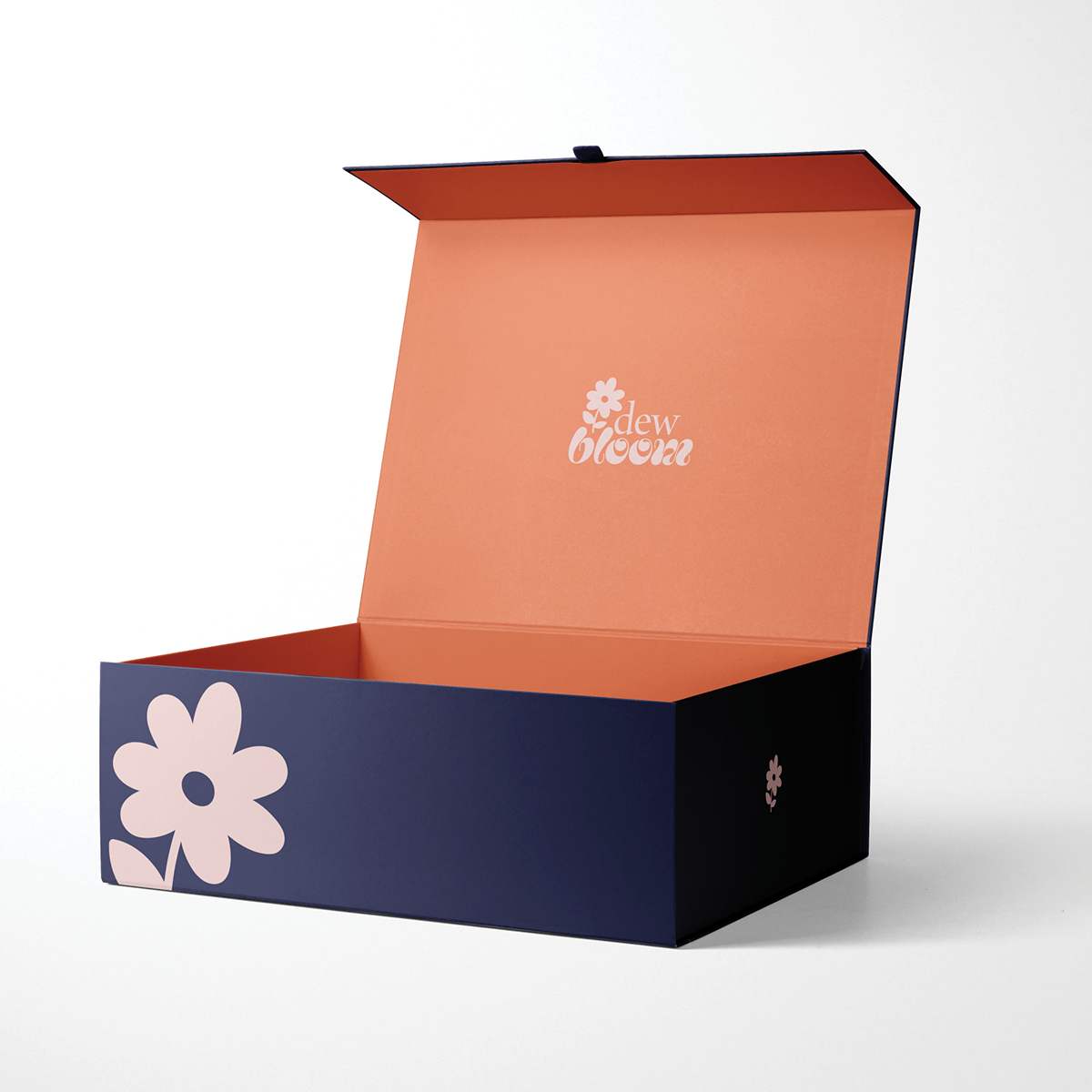
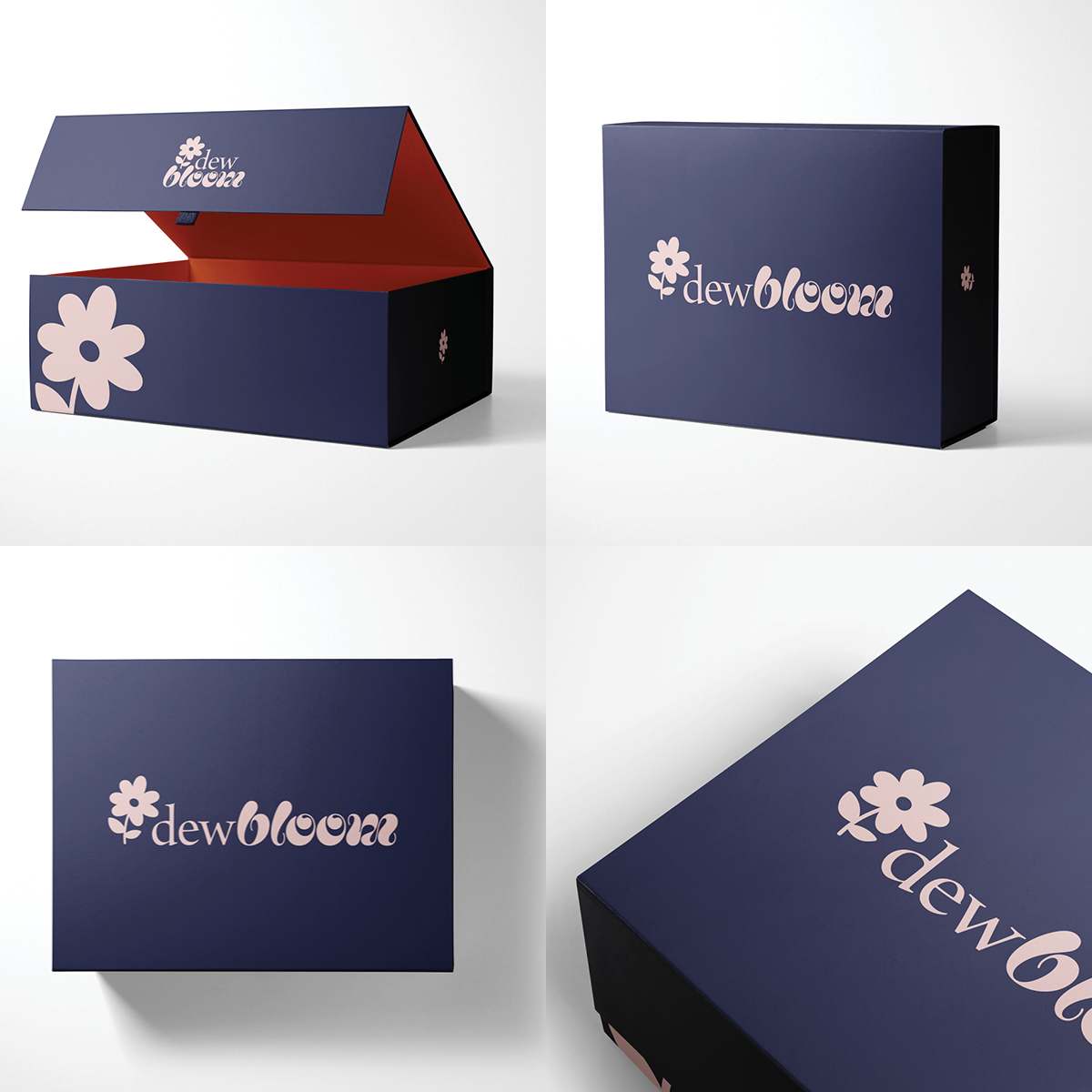
Full control over shape, size and amazing finishes. Custom inserts and real design support carry you from first sketch through to approval, and every box is made to spec, not close to it. When it comes to mailers, we think these are the best you can get.

build your quote
Design your custom Mailing Box
Build your custom printed Mailing Box in a few quick steps and we'll come back to you with a quote - no price guesswork, just the spec you want.
What's next?
Quote the rest of your packaging...
Get everything you need with more products below. If what you need isn't here, send us a brief and we'll source it.








How does the process work?
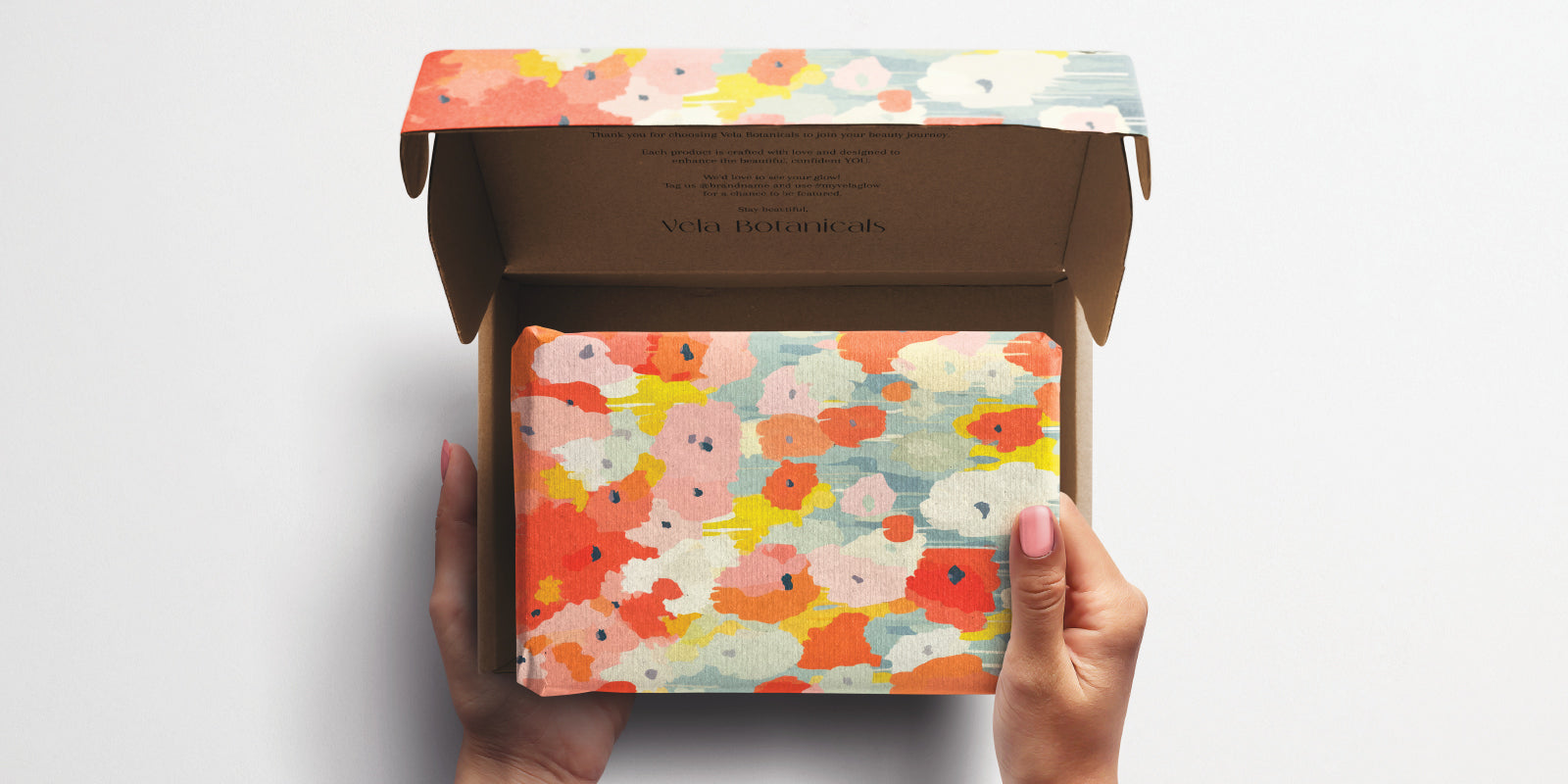
Designing your own custom mailing boxes doesn’t have to be complicated. Choose all the options you require and we'll come back with an exact quote. No guesswork, just the box you need.
Step 1
Build your quote
Use the builder above to choose your size and specs. You can create more than one quote if you want to compare options. Add your contact details and postcode and we'll work out your shipping costs.
Step 2
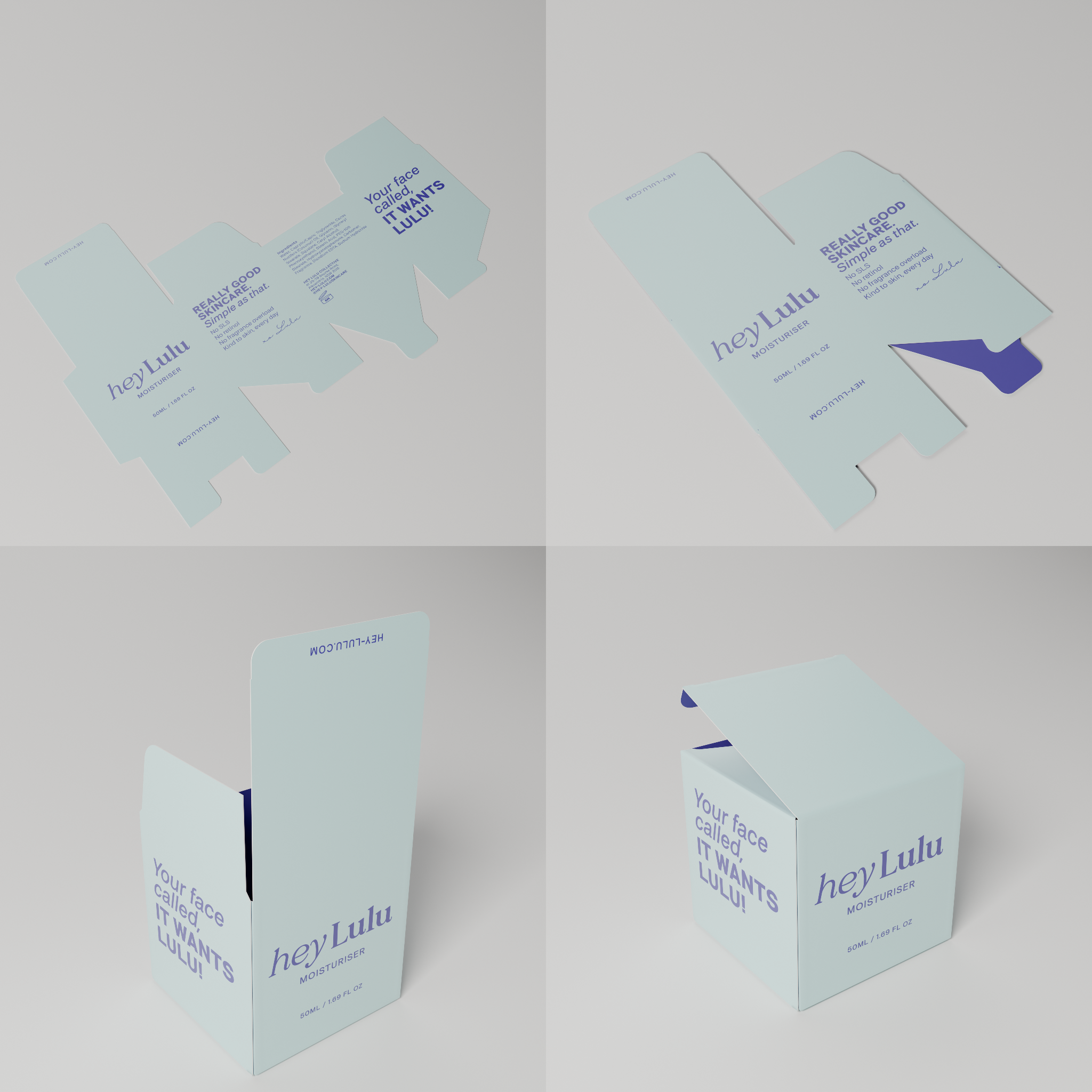
Get your dielines
You'll receive an email confirmation straight away, along with your dieline. Use it to start your artwork whenever you're ready.
step 3
Receive your exact quote
Our team reviews your specs and comes back with an exact quote within two working days.
STEP 4
Accept and send your artwork
Accept your quote and send through your artwork. We'll take it from there. Our team is here to help with design and dieline support if you need it.
Step 5
Review your artwork & approve it
Review your final digital proof and give us the green light to start production. You can also order a material sample to ensure the quality meets your expectations.
Step 6
Production starts
Our trusted production partners will bring your design to life, applying it to your chosen packaging with precision and care. Once printed, your packaging will be carefully packed and prepared for shipping.
Step 7
Packaging ships
Your completed packaging will be loaded into our shipping container and dispatched. If you need your order quickly, ask us about airfreight.
Step 8
Delivery to your chosen address
Once your packaging arrives at our Melbourne warehouse, we'll swiftly unload and deliver it to your business address.
PACKAGING GLOSSARY
Every option, explained
Board weights, finishes and add-ons can start to sound the same after the third dropdown. Here's what each one actually means, so you always know exactly what you're choosing.
Board and outer material
Board thickness
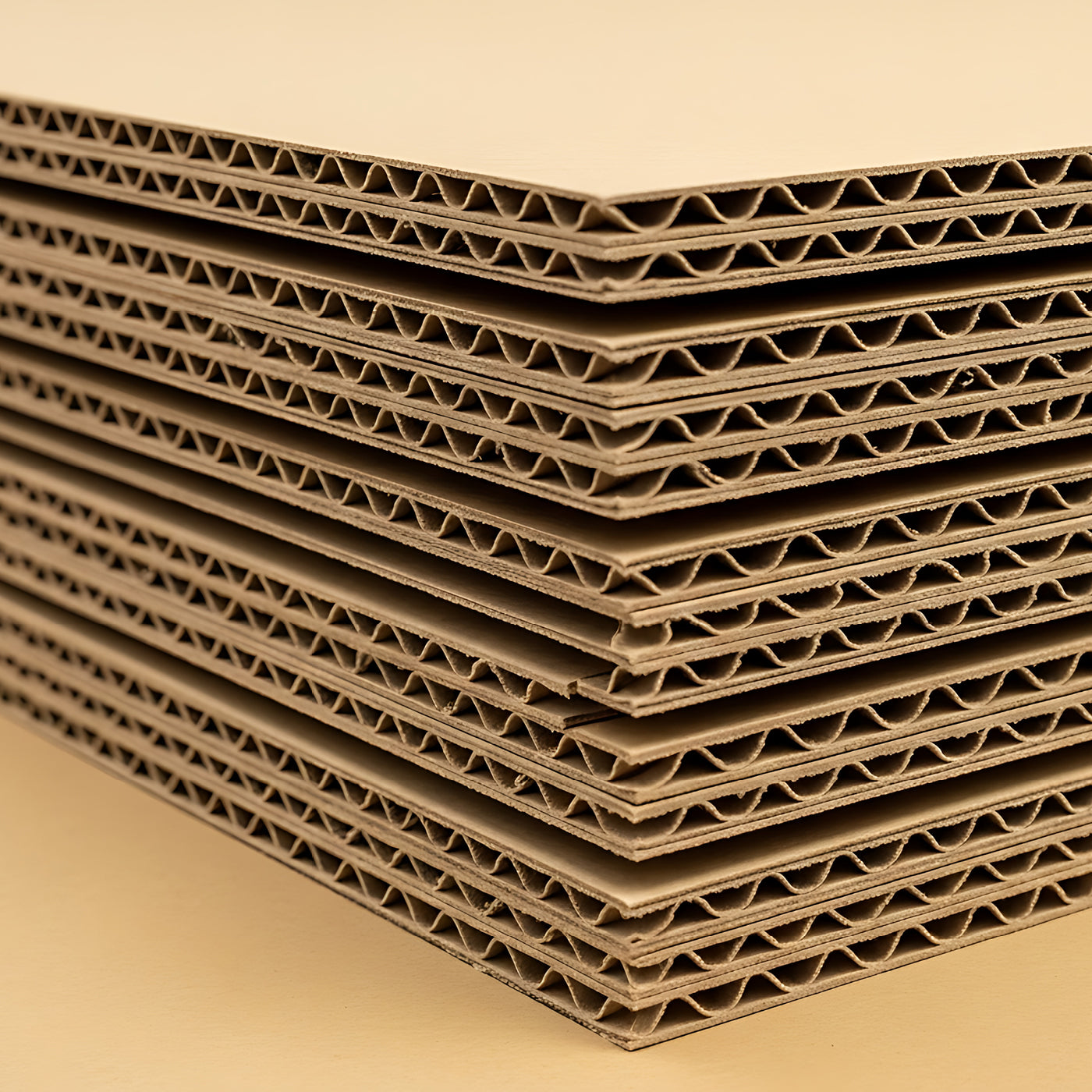
Two board weights to choose from. E Flute is the standard for mailer boxes, about 1.5mm thick, and it holds print detail well without adding bulk. B Flute is thicker, around 3mm, and gives you better puncture resistance for heavier or fragile products. If you're shipping anything with weight or sharp edges, B Flute is worth the extra board.
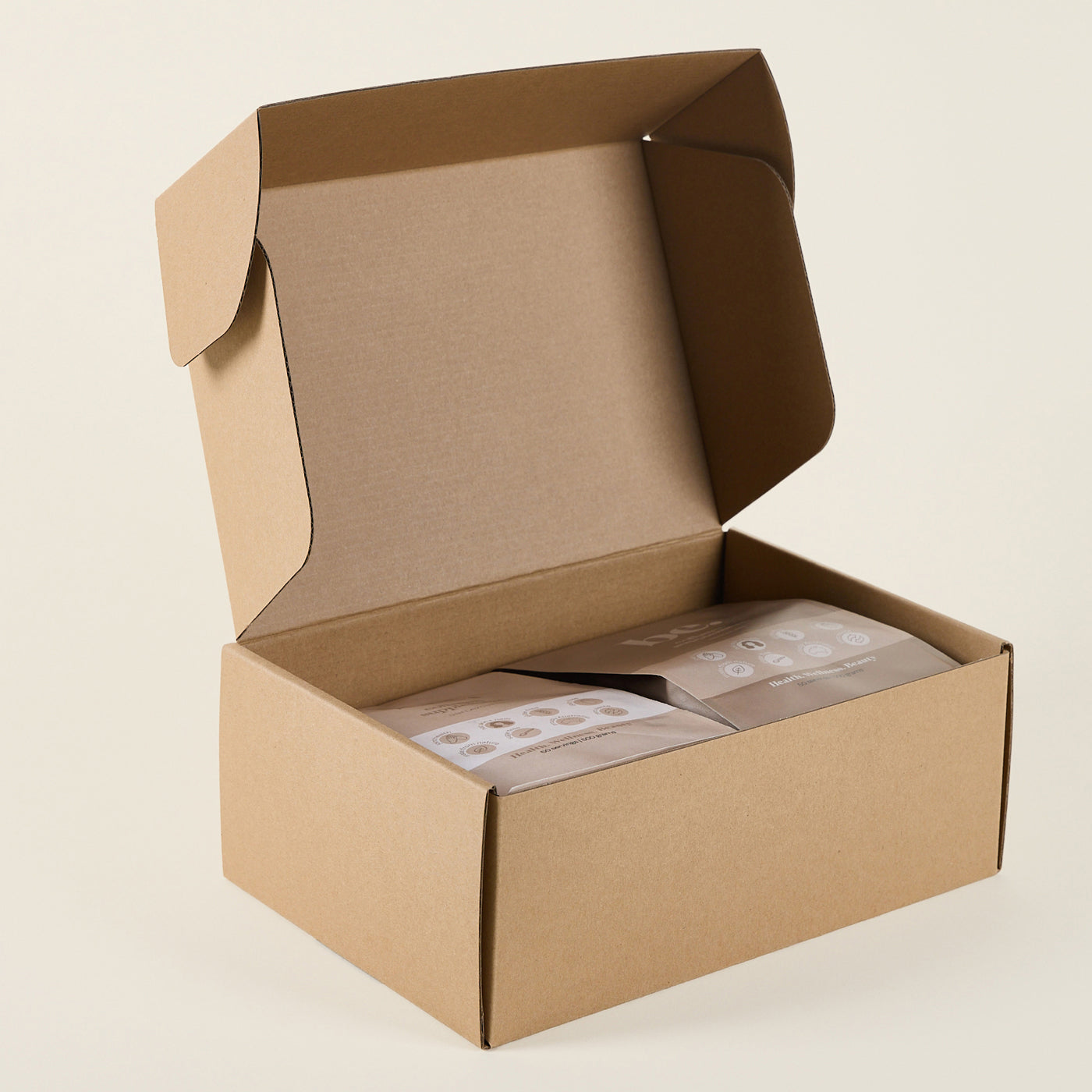
Natural Kraft
Uncoated brown board, the everyday choice for mailers.
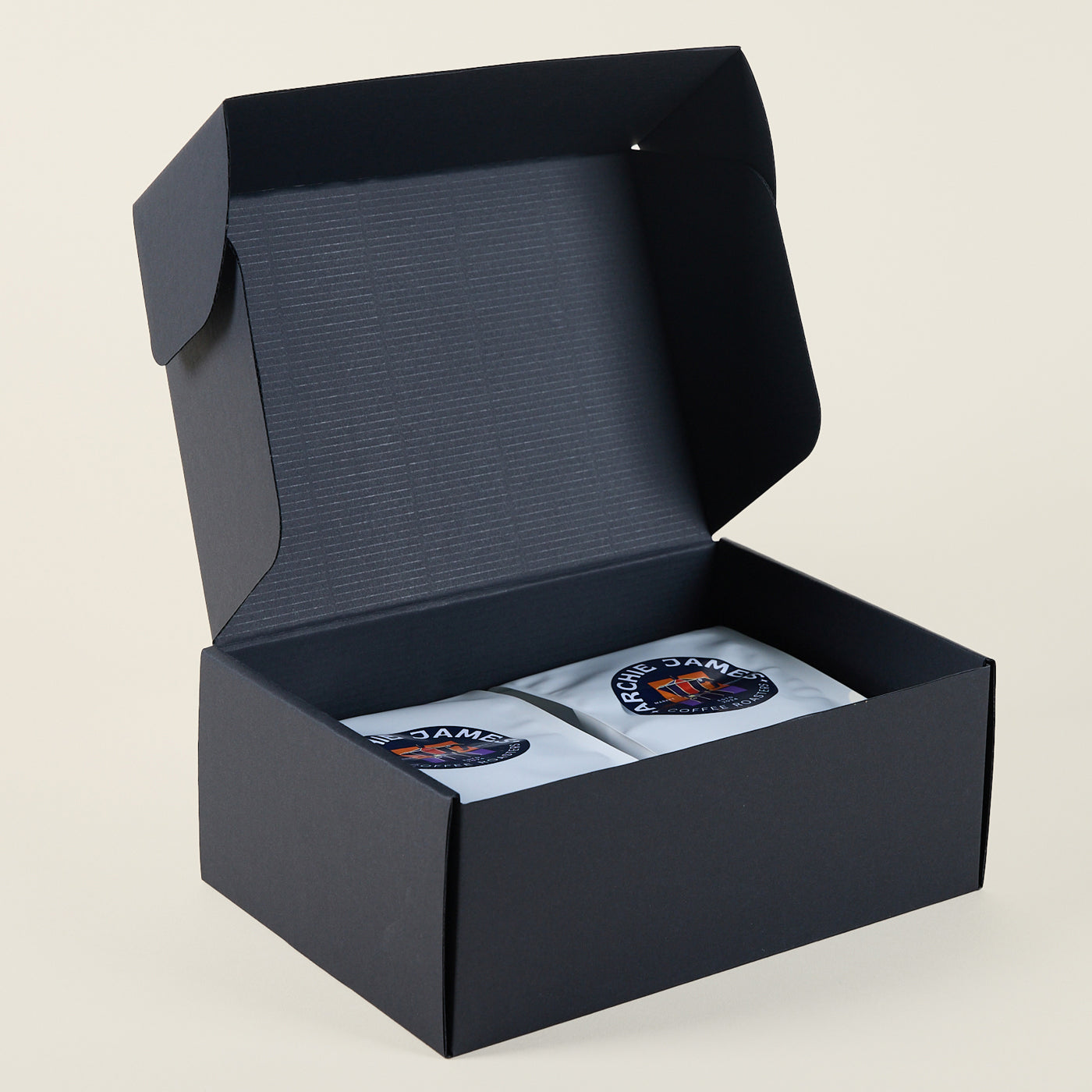
Black Kraft
The same board as Natural Kraft, in black, also uncoated.
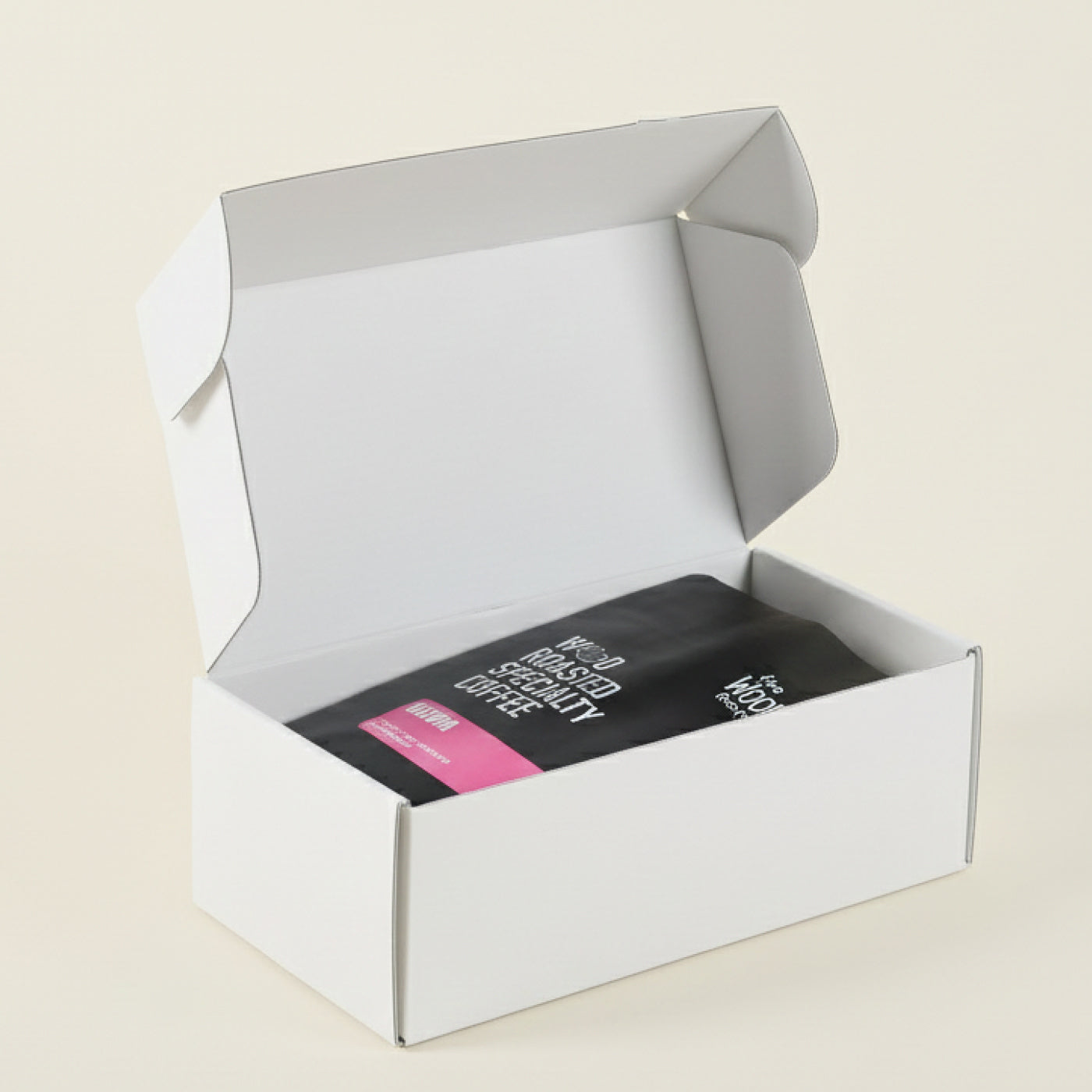
White Art
Takes full colour printing and a laminate finish. The option when your design needs precise colour matching or a glossy, matte or coated surface.
printing for white art boxes
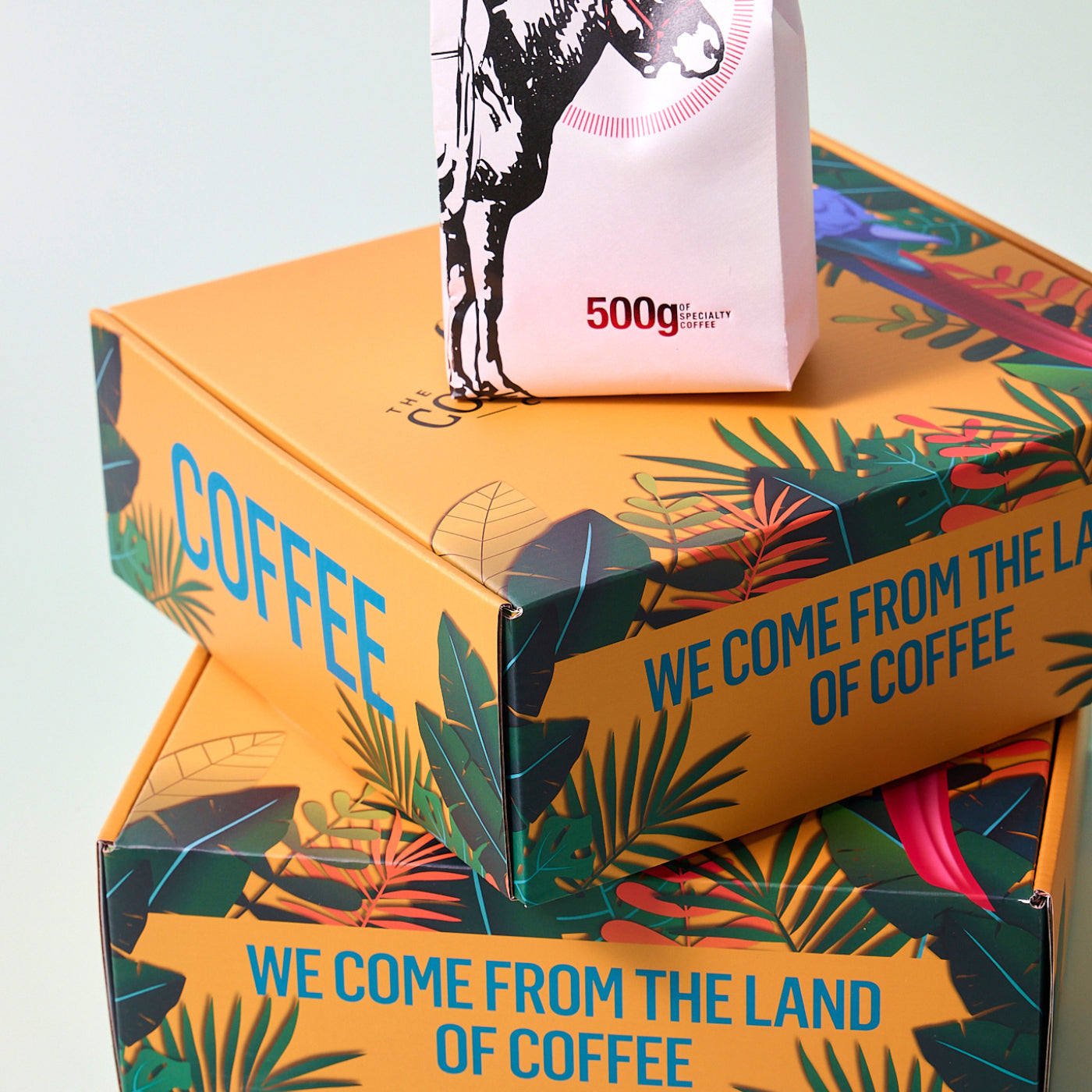
CMYK
Full colour printing built from four inks: cyan, magenta, yellow and black, layered to create every colour in your design. It's the standard for artwork with photography, gradients or more than a couple of colours.
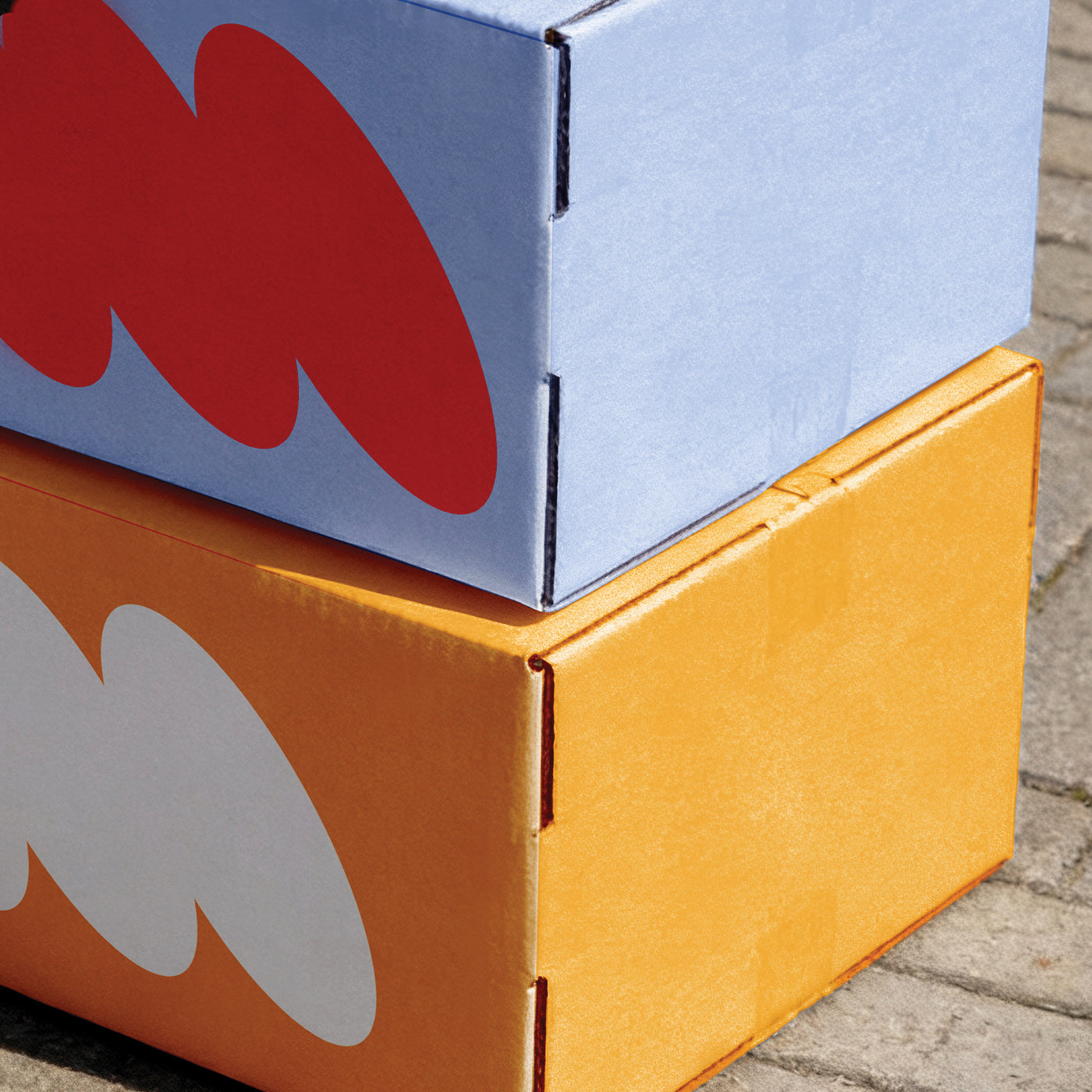
Pantone
Pre-mixed ink matched to an exact colour code, rather than built from CMYK layers. Worth choosing when your brand colour needs to look identical on every run, since Pantone doesn't shift the way CMYK can.
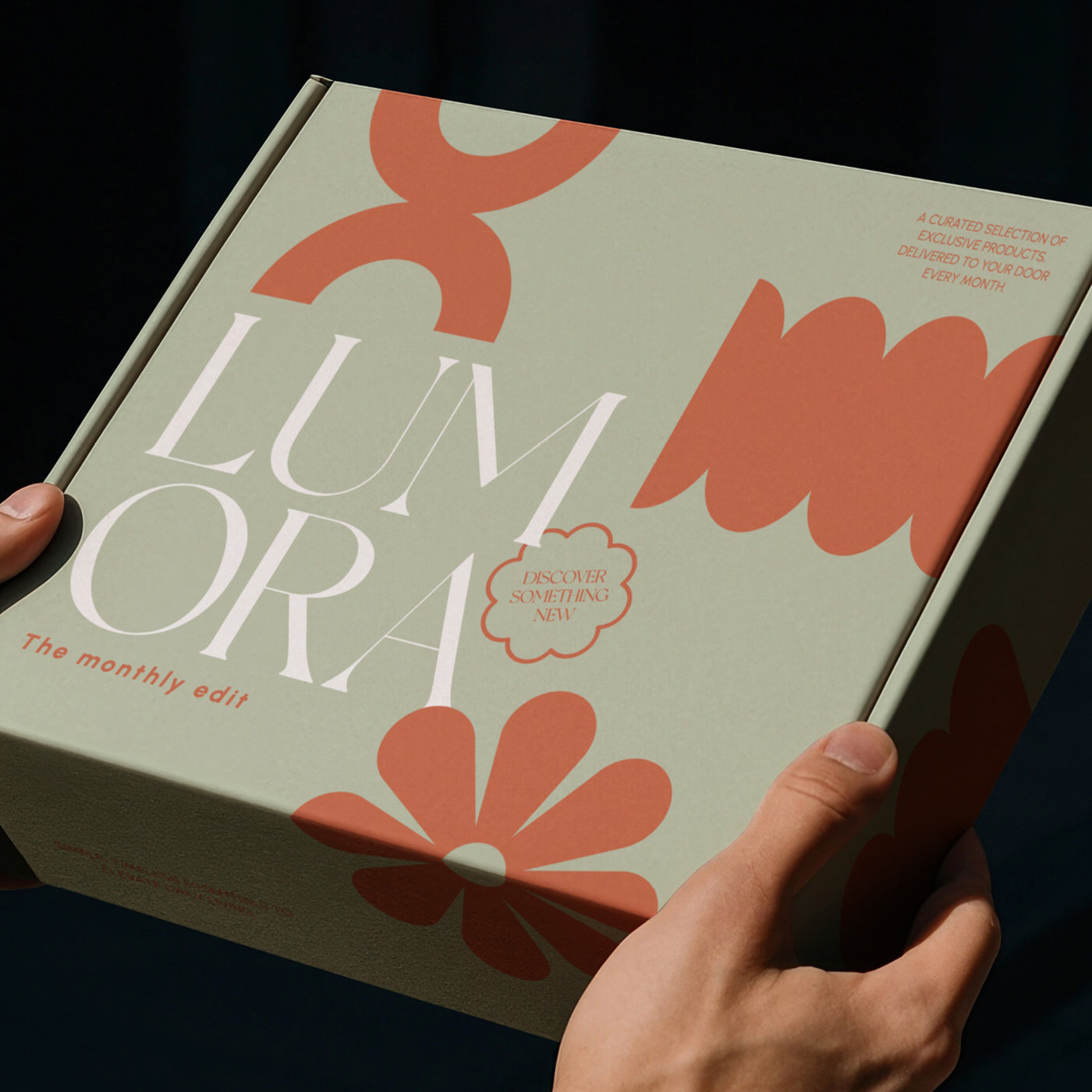
CMYK + Pantone
Combines process colour with one exact-match Pantone ink in the same print run. Useful when your design is full colour but one element, a logo or brand colour, needs to hit exactly right every time.
special printing for natural and black kraft boxes
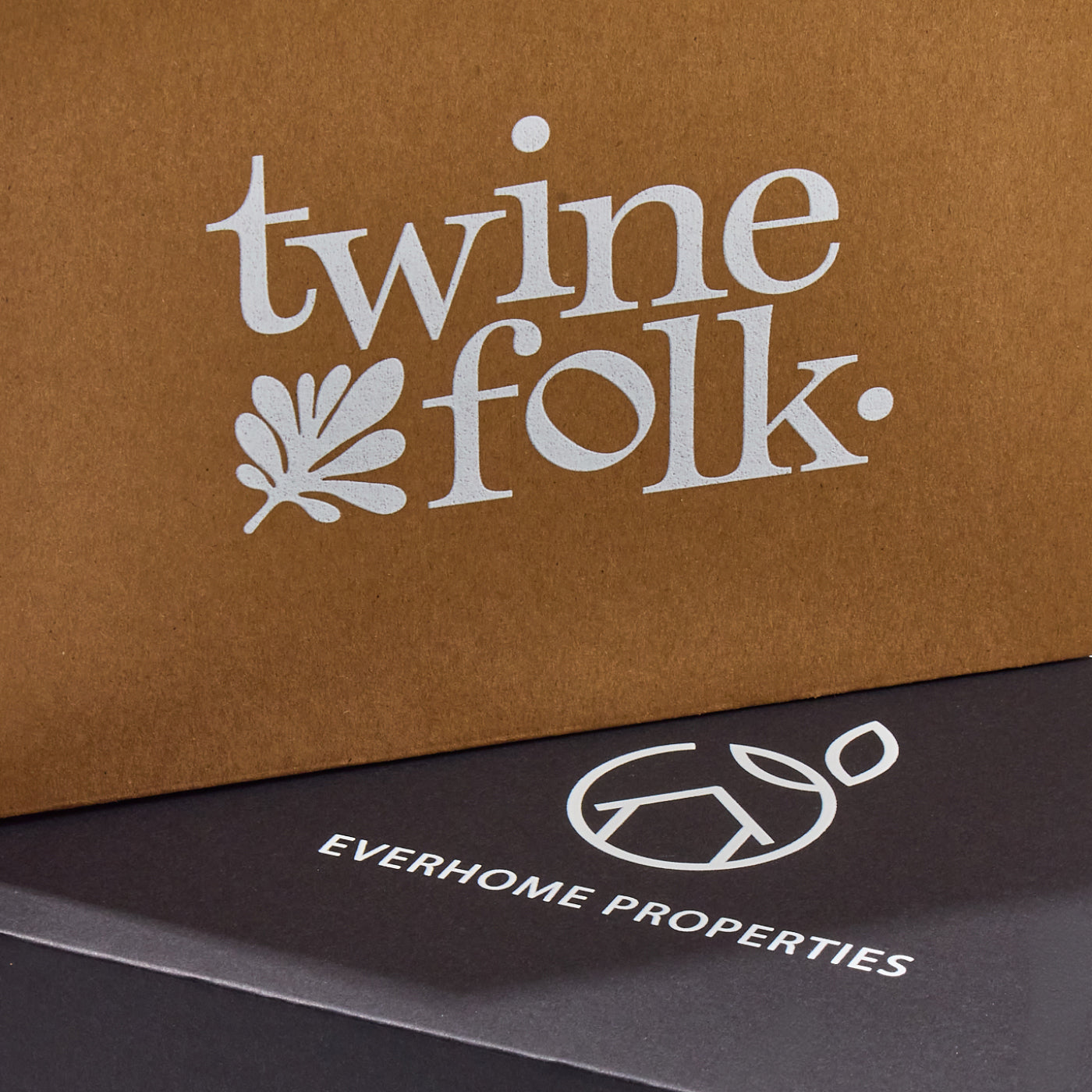
Screen Print White
Single colour screen printed in white. The most common choice for Natural Kraft or Black Kraft board.
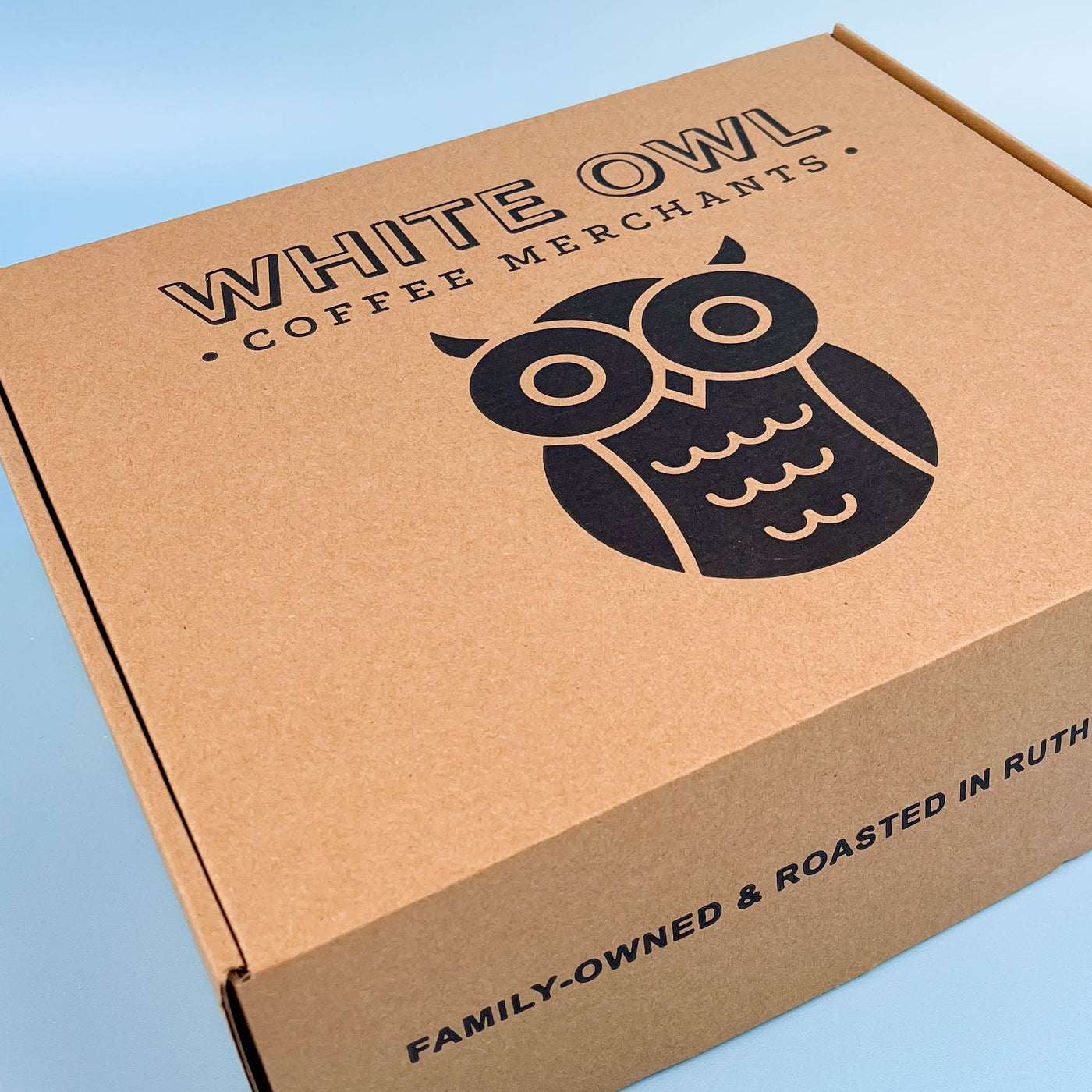
Screen Print Black
Single colour screen printed in black. Perfect for Natural Kraft board.
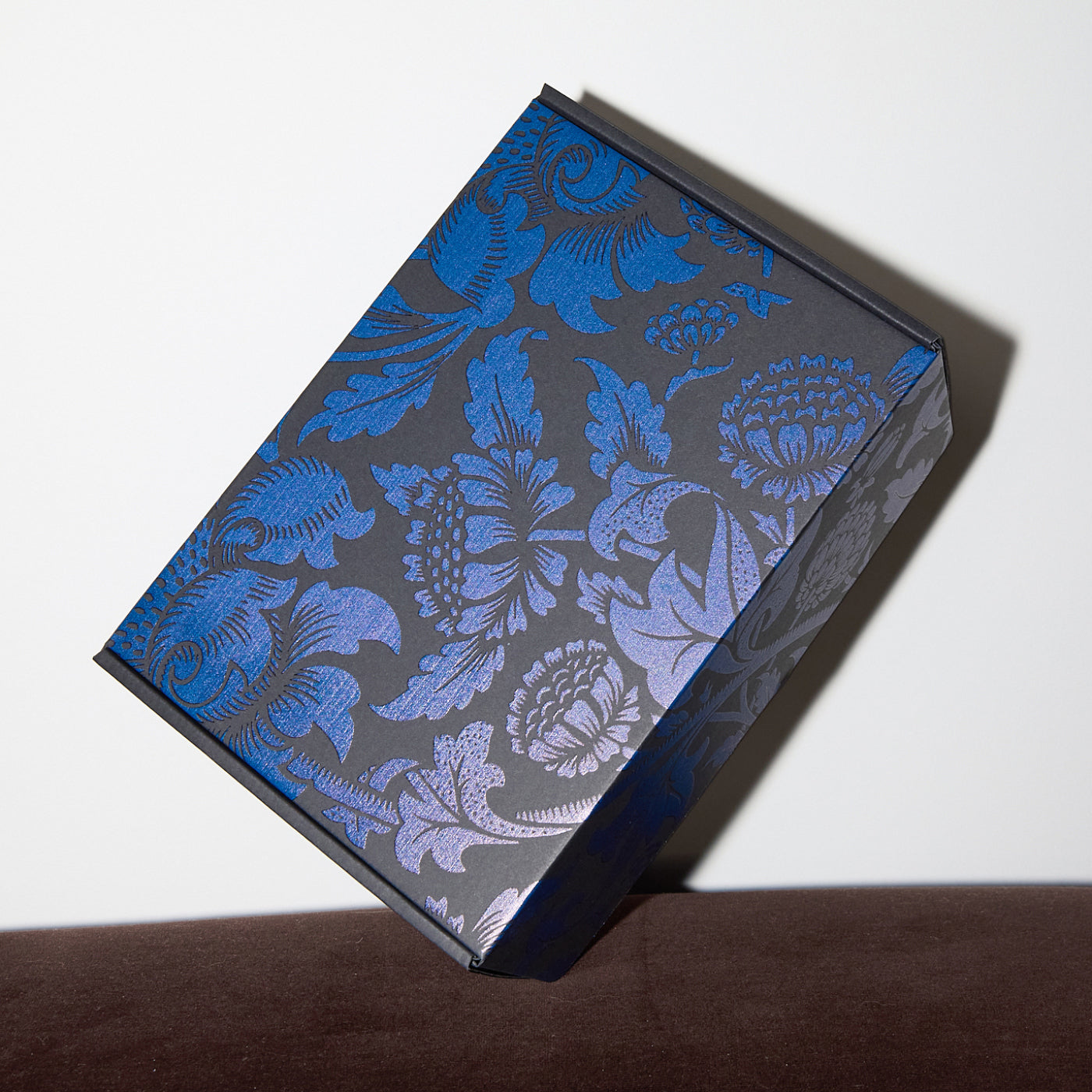
Screen Print Custom Colour
Single colour print in any CMYK or Pantone you choose. A good choice for Natural Kraft or Black Kraft board.
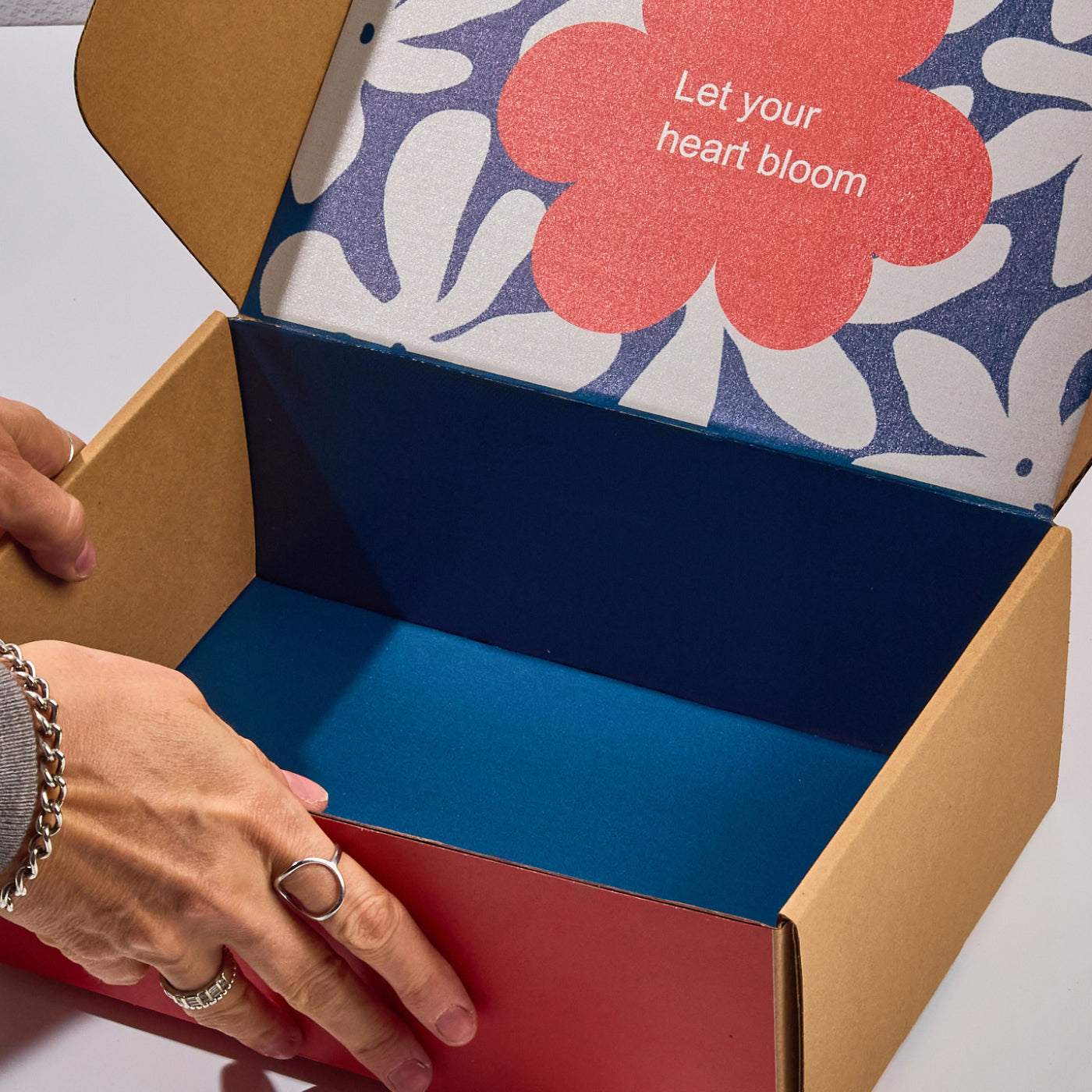
CMYK + W
Full-colour printing laid over a white base layer so colours stay bright and true on kraft, instead of sinking into the brown or black board. The option for full-colour artwork on kraft. Prefect for bright or pastel colours.
lamination / finish
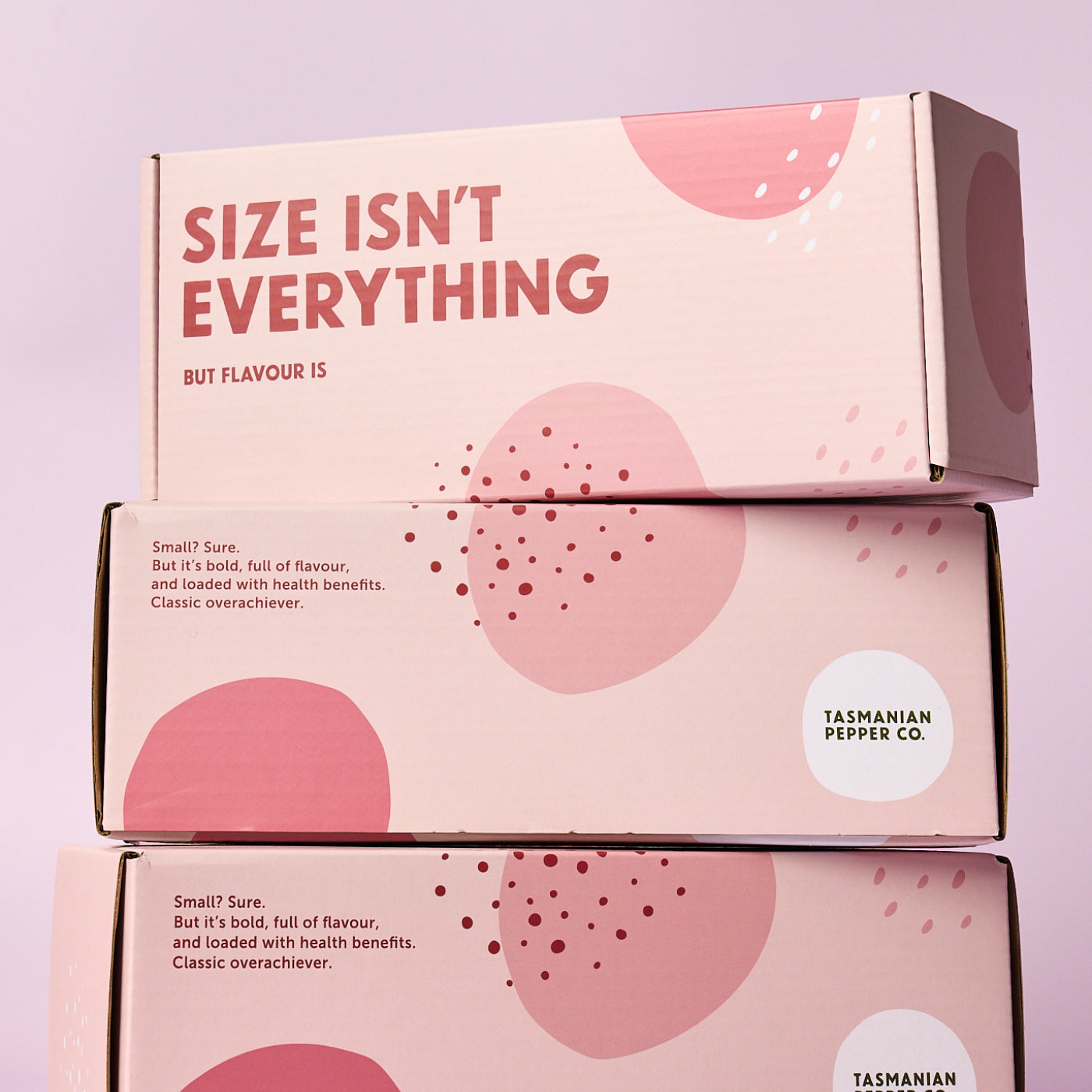
Matte
A flat, non-reflective coating that feels soft to the touch and looks premium. Our most popular finish. Available on White paper only.
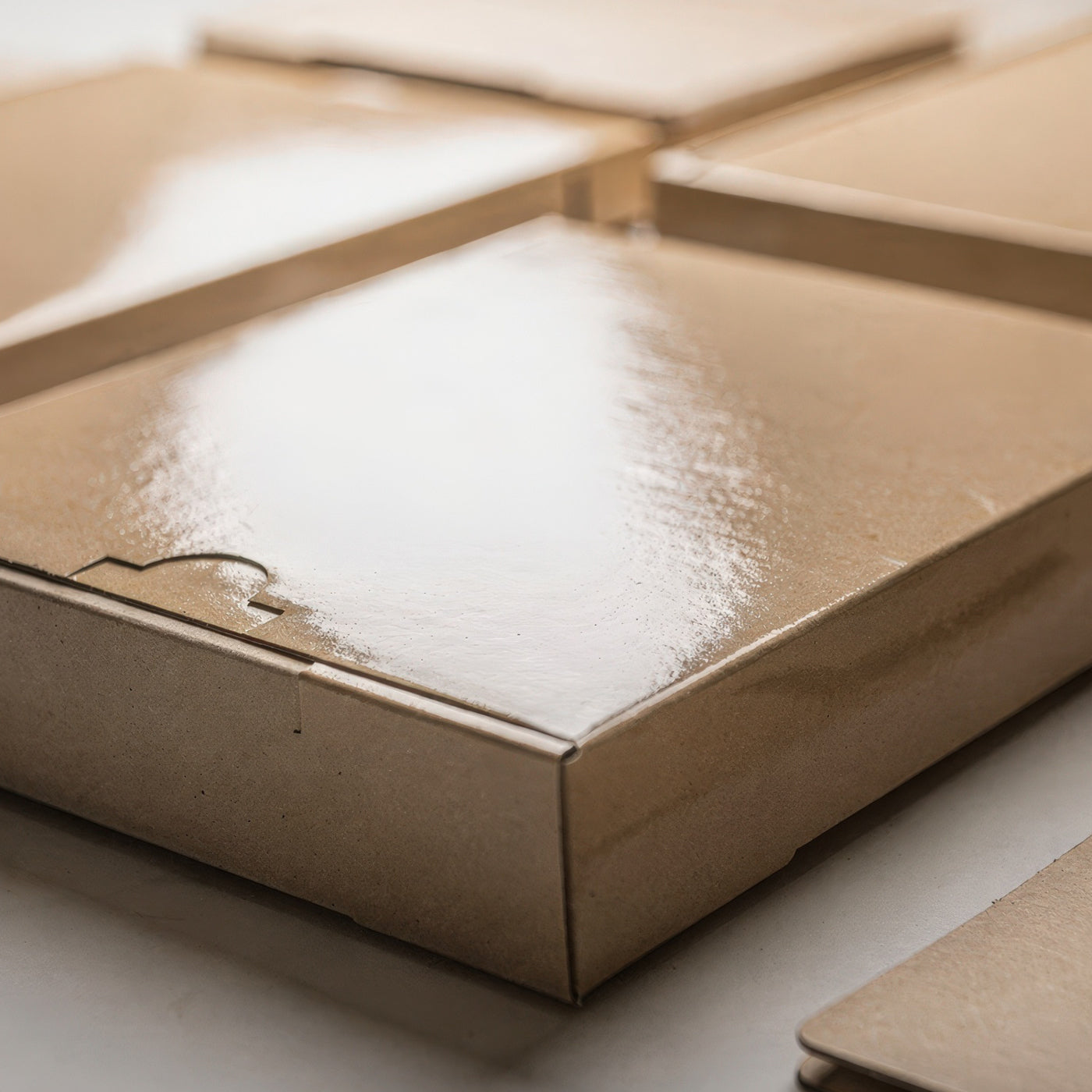
Gloss
A shine that makes colours pop. Great for high impact designs. Available on White paper only.
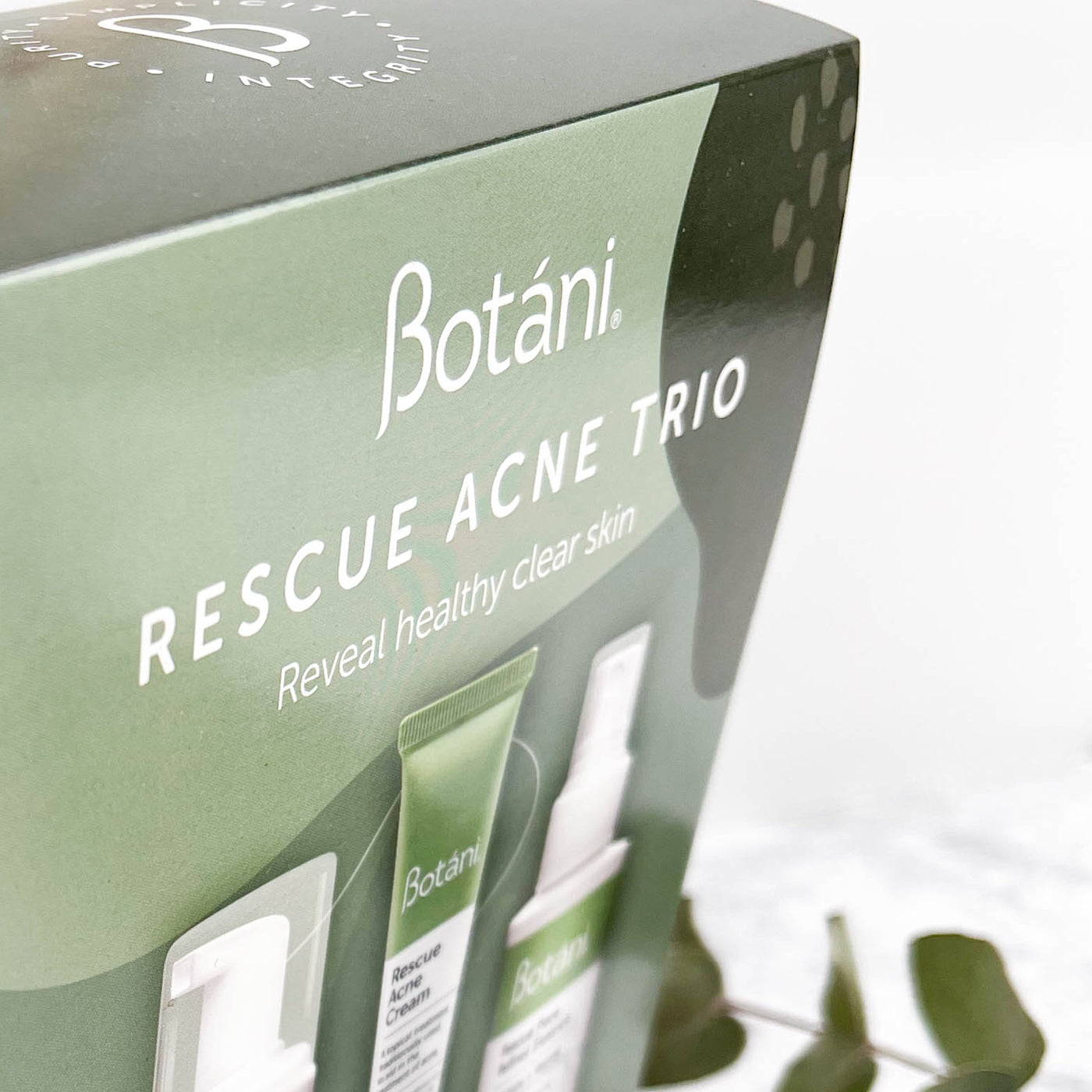
Coated
Think the same finish as a cereal box, this finish sits between matte and gloss, adding protection without changing the look too much.
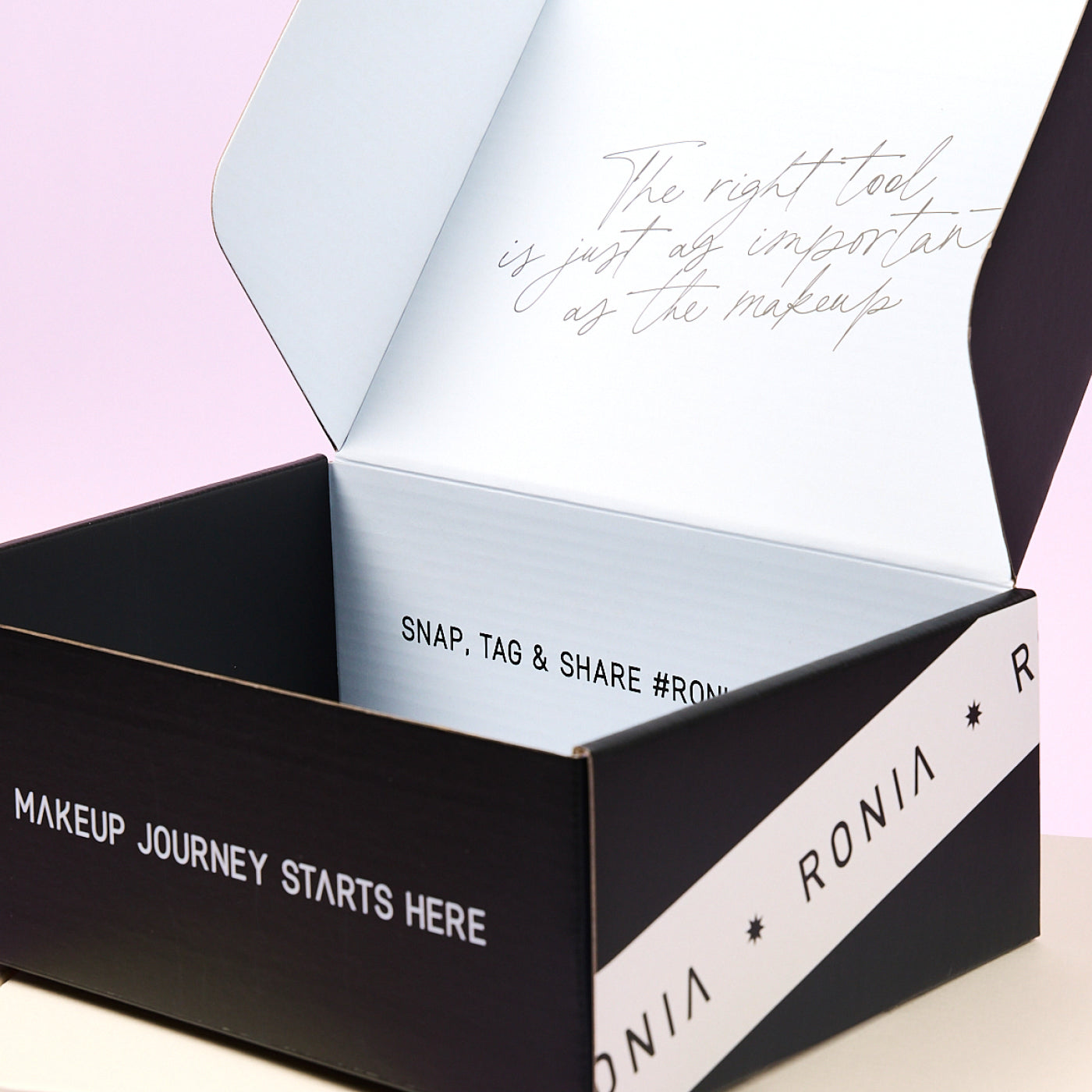
Anti-scratch matte
A matte finish with added scuff resistance, so it holds up to handling without showing marks. Especially worth it if you are using dark colours, where scratches show up fastest.
finishing touches
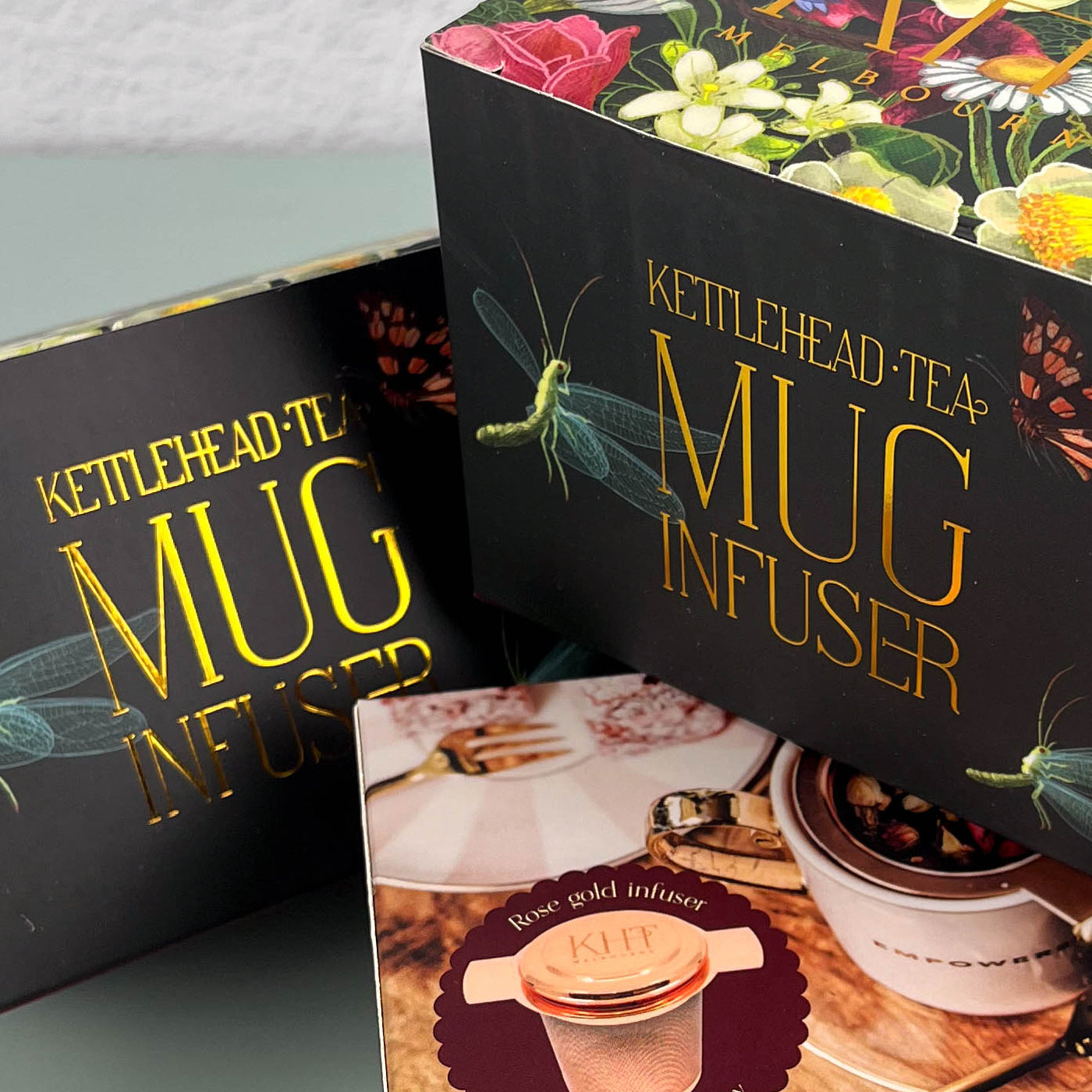
Foil accents
A metallic foil stamped onto specific parts of your design. Gold and Silver are the standard options. Want something else? Tell us the foil colour you have in mind and we'll confirm it's achievable for your board and run size.
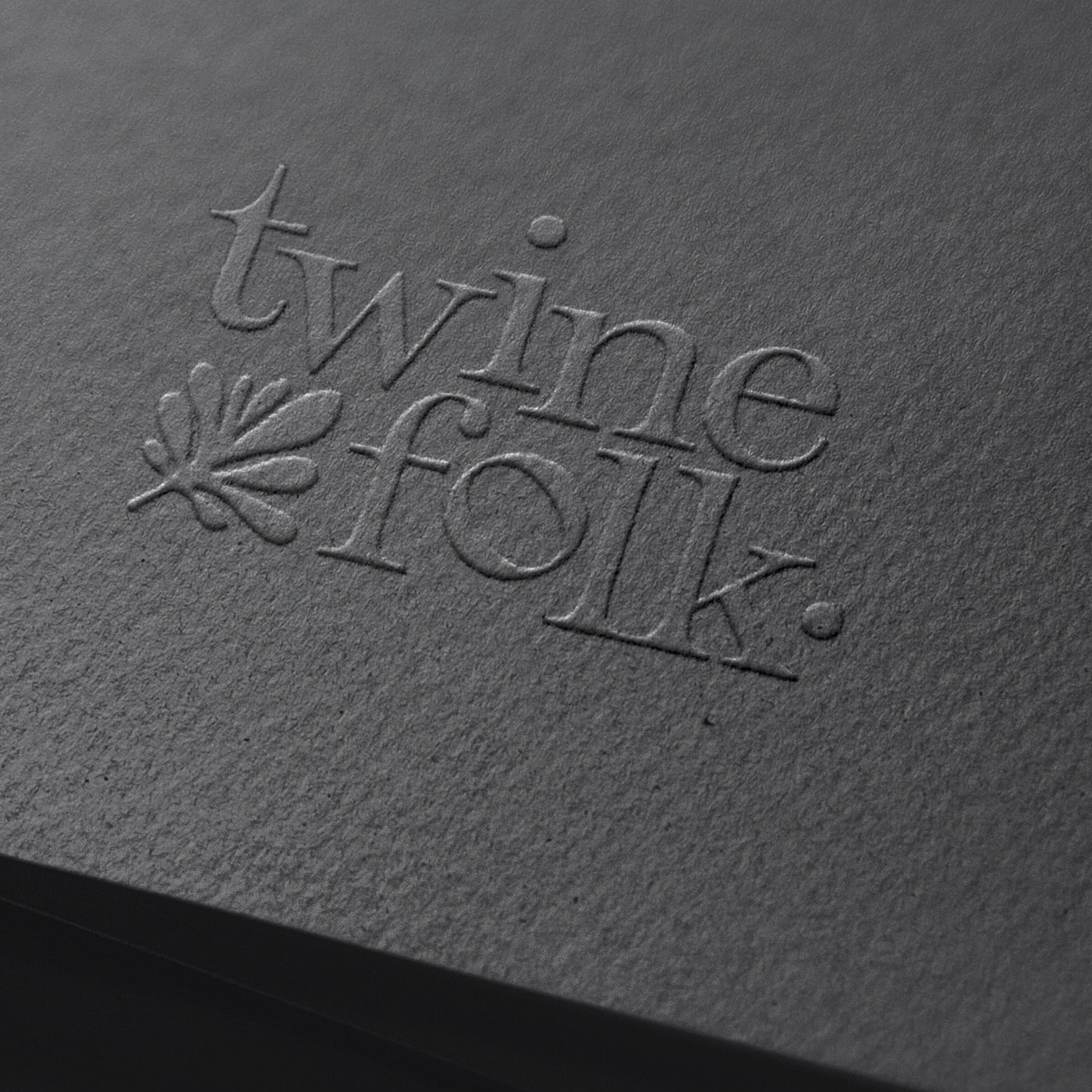
Embossing
A raised detail pressed into the board from behind, no ink required. Gives a logo or wordmark a subtle lift off the surface, so it catches the light.
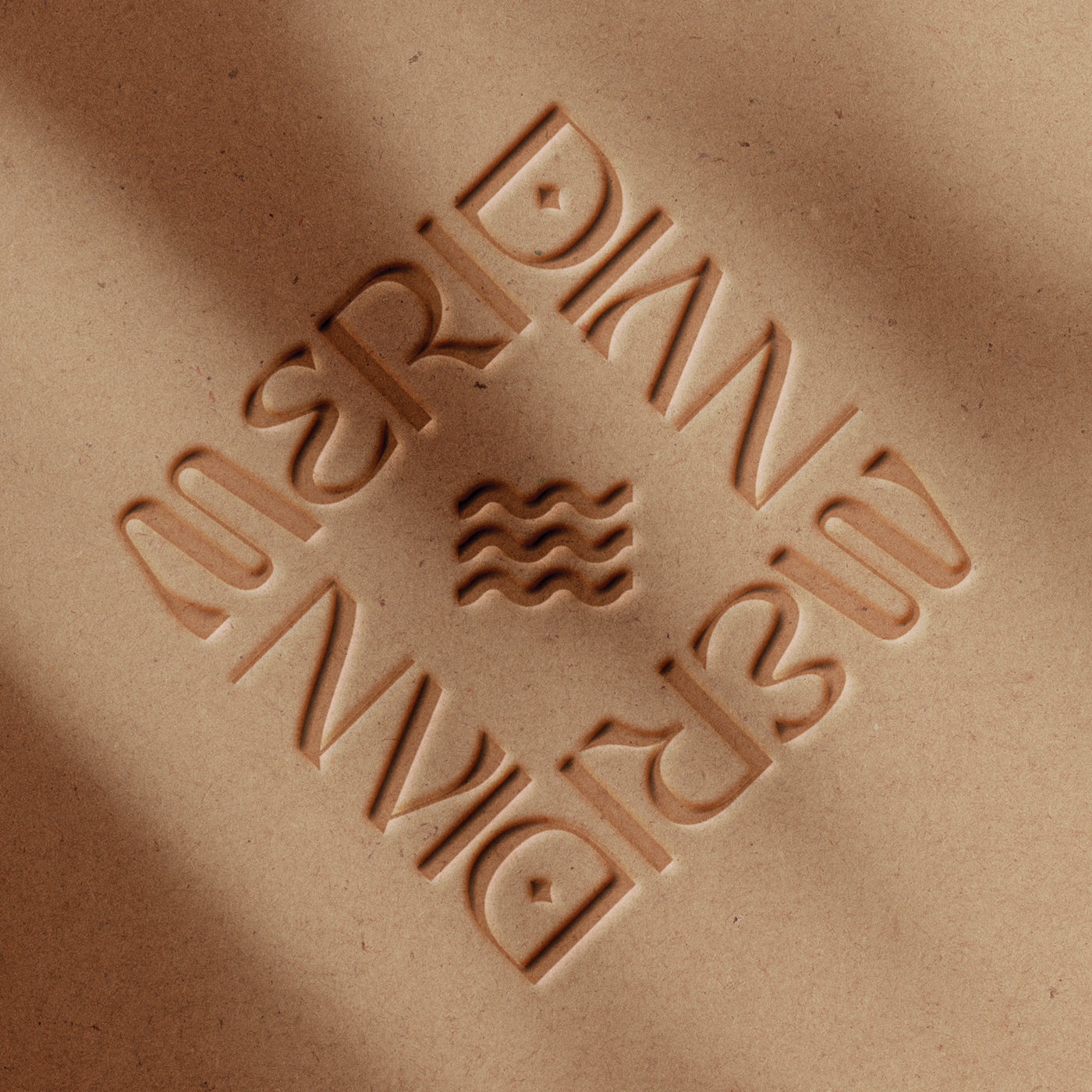
Debossing
A recessed detail pressed into the board, no ink required. Sits into the surface rather than off it, a quieter way to add texture without changing the box's profile.
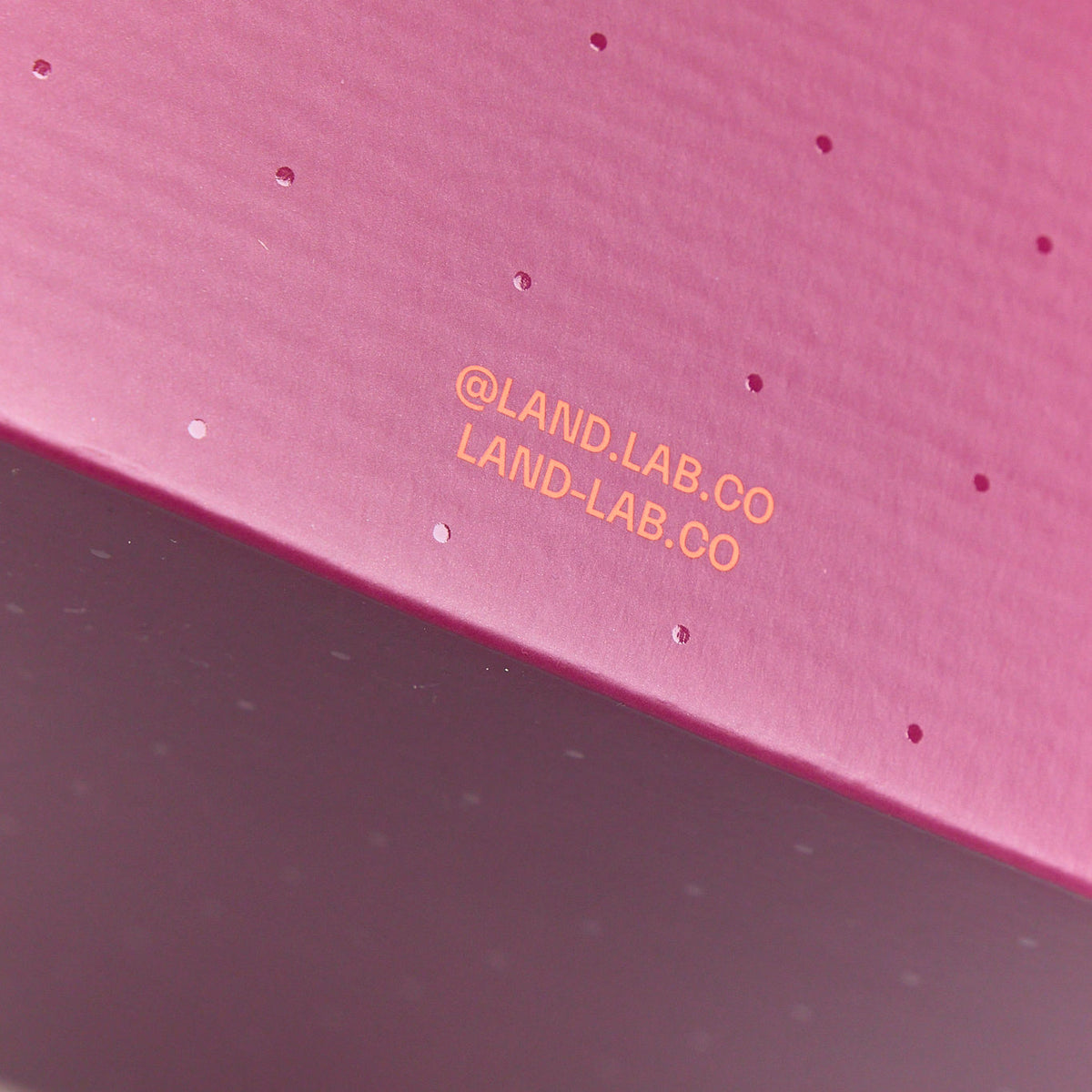
Spot Gloss
A gloss varnish applied to specific parts of your design, while the rest of the board stays matte or uncoated. A subtle way to draw the eye to a logo or detail.
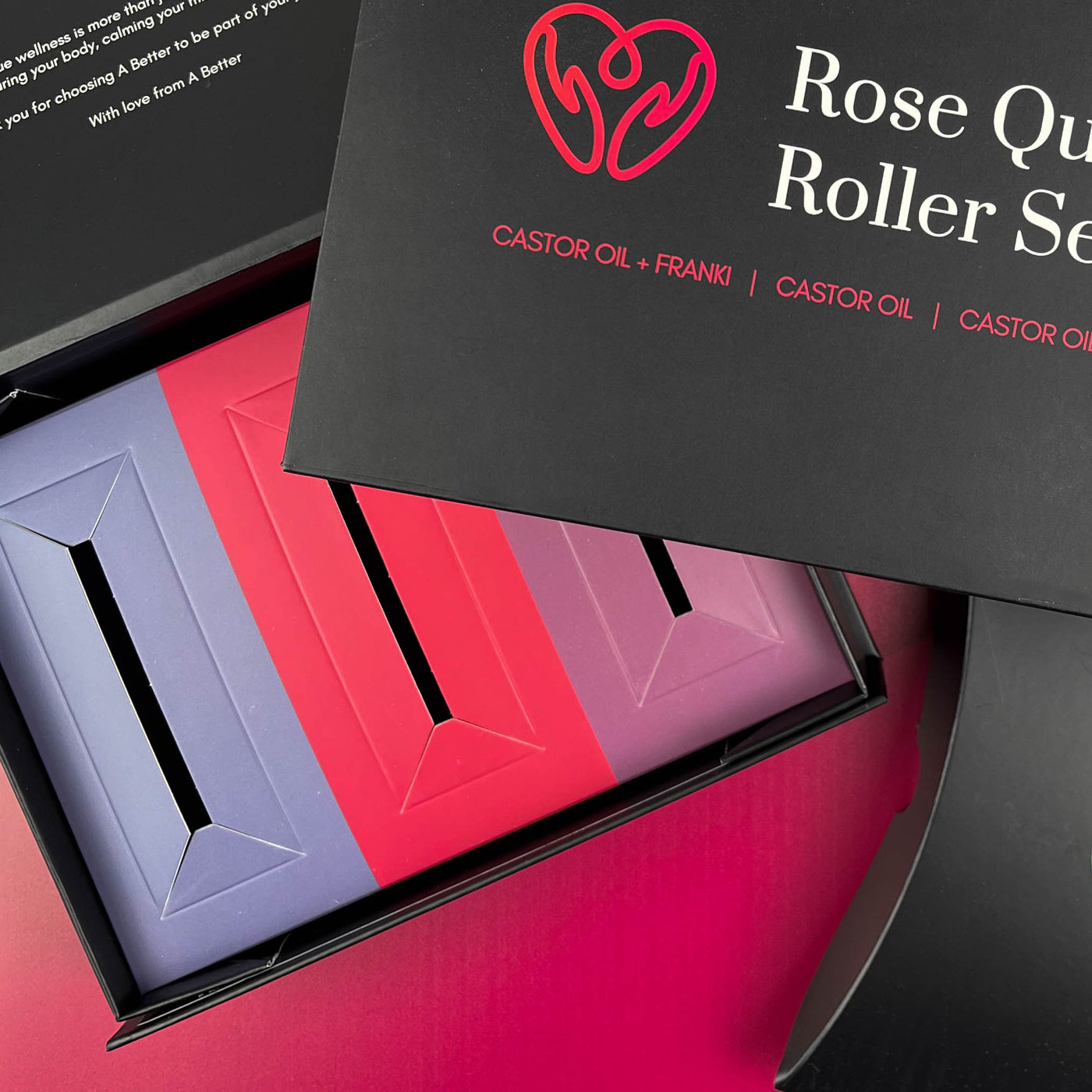
Paper or cardboard insert
Both line the inside of the box, just at different weights. Paper is the lightest option, a simple liner that protects the product in transit. Cardboard is sturdier, holding products in a fixed position for multi-item boxes or anything that needs to stay upright, and it's the better choice for heavier products that need more support.
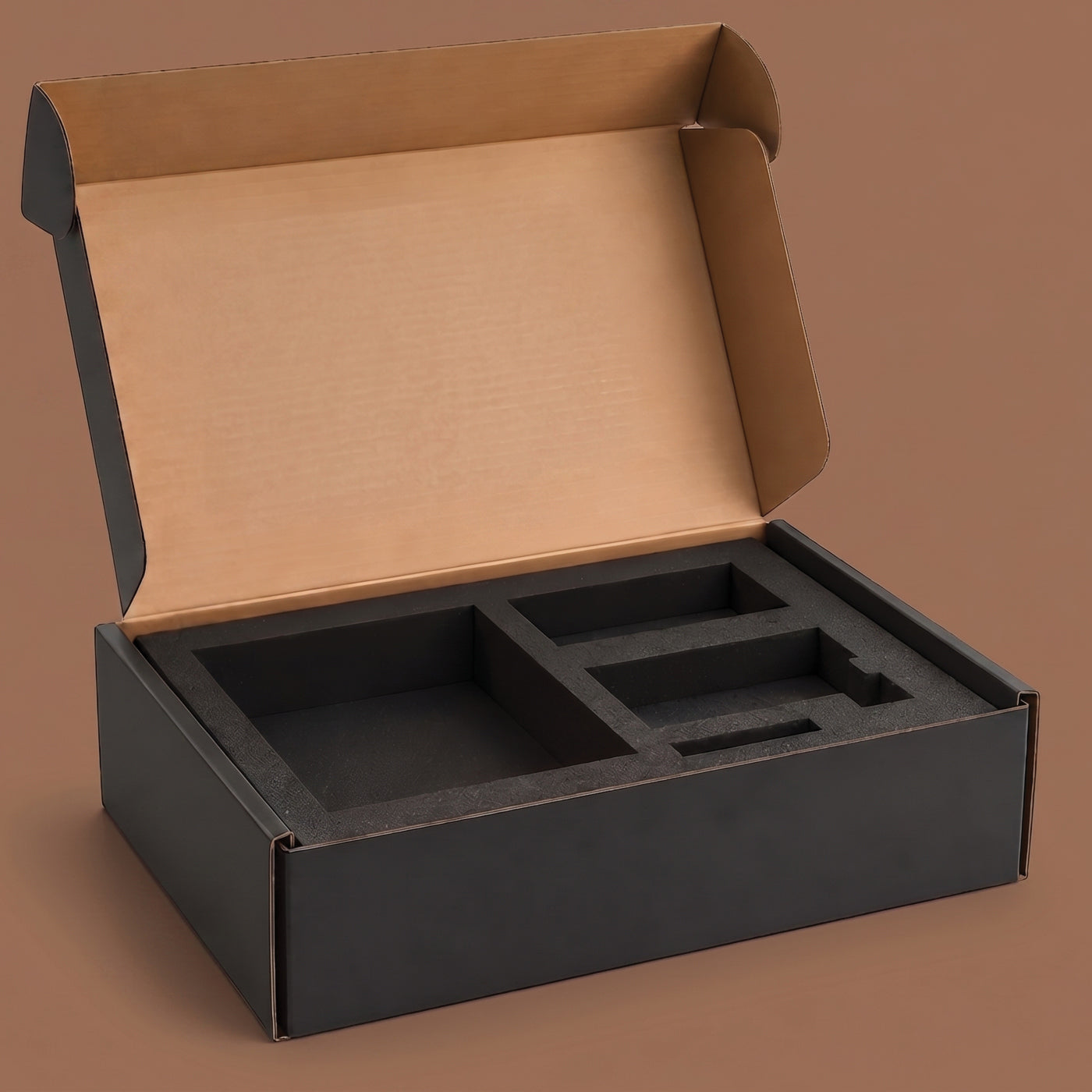
EVA insert
A foam liner, better for fragile or irregular shaped items.
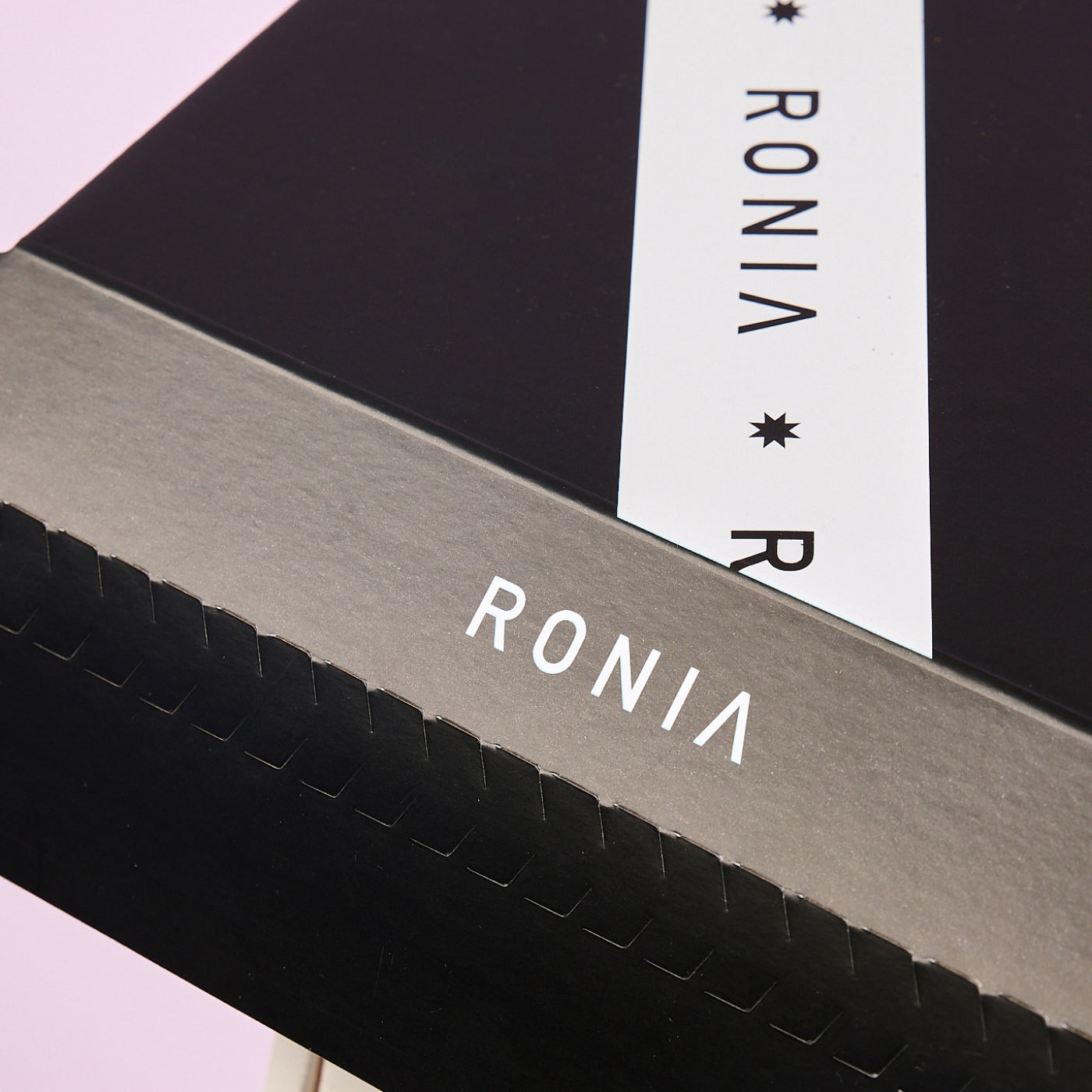
Tear strip
An easy-open pull tab built into the box, so it opens cleanly without a knife or scissors. Choose a single strip for a considered first open, or a double strip if returns are likely, so the box reseals and travels back looking just as good.
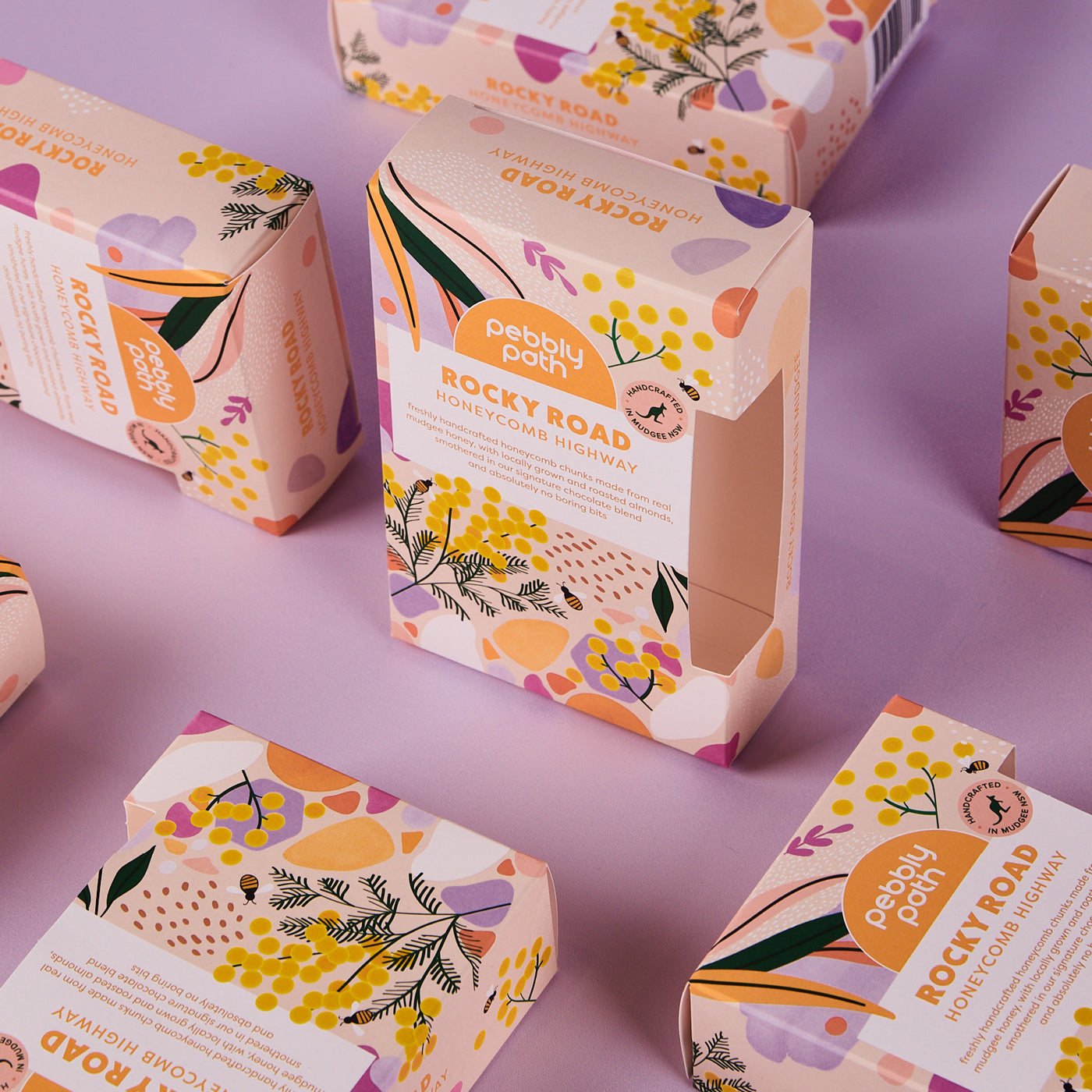
Diecut window
A cut-out section of the box that shows the product inside. Open cut-out leaves the cut edge exposed, good for pre-wrapped products.