
Choosing the right packaging box is one of those decisions that quietly impacts just about everything in your business. It affects how well your products are protected, how much you spend on freight, how efficiently you store stock, and how your brand shows up once it leaves the warehouse.
For Australian businesses ordering at scale, getting it right early can save you from expensive (and annoying) changes down the track.
This guide walks you through what to consider before you buy, covering box types, materials, sizing, and how to choose a supplier that actually fits your needs.
Start with the job the box needs to do
Before looking at styles or finishes, get clear on what the box needs to do. A packaging box should protect the product, move efficiently through your supply chain, and suit how it’s sold.
Start by asking a few straightforward questions:
- Is this box for shipping, shelf display, gifting, or internal handling?
- Will it travel via courier networks, pallets, or in-store pickup?
- Does it need to stack, nest, or fit inside another box or packaging format?
E-commerce brands often need durable mailer boxes that hold shape in transit. Retailers may prioritise clean presentation and easy opening. Gift box packaging usually leans more towards structure and finish, while small box packaging often needs precise sizing to avoid wasted space.
Choose the right box type
Different box styles are built for different jobs. Knowing the basics upfront makes conversations with suppliers quicker, clearer, and far less painful.
-
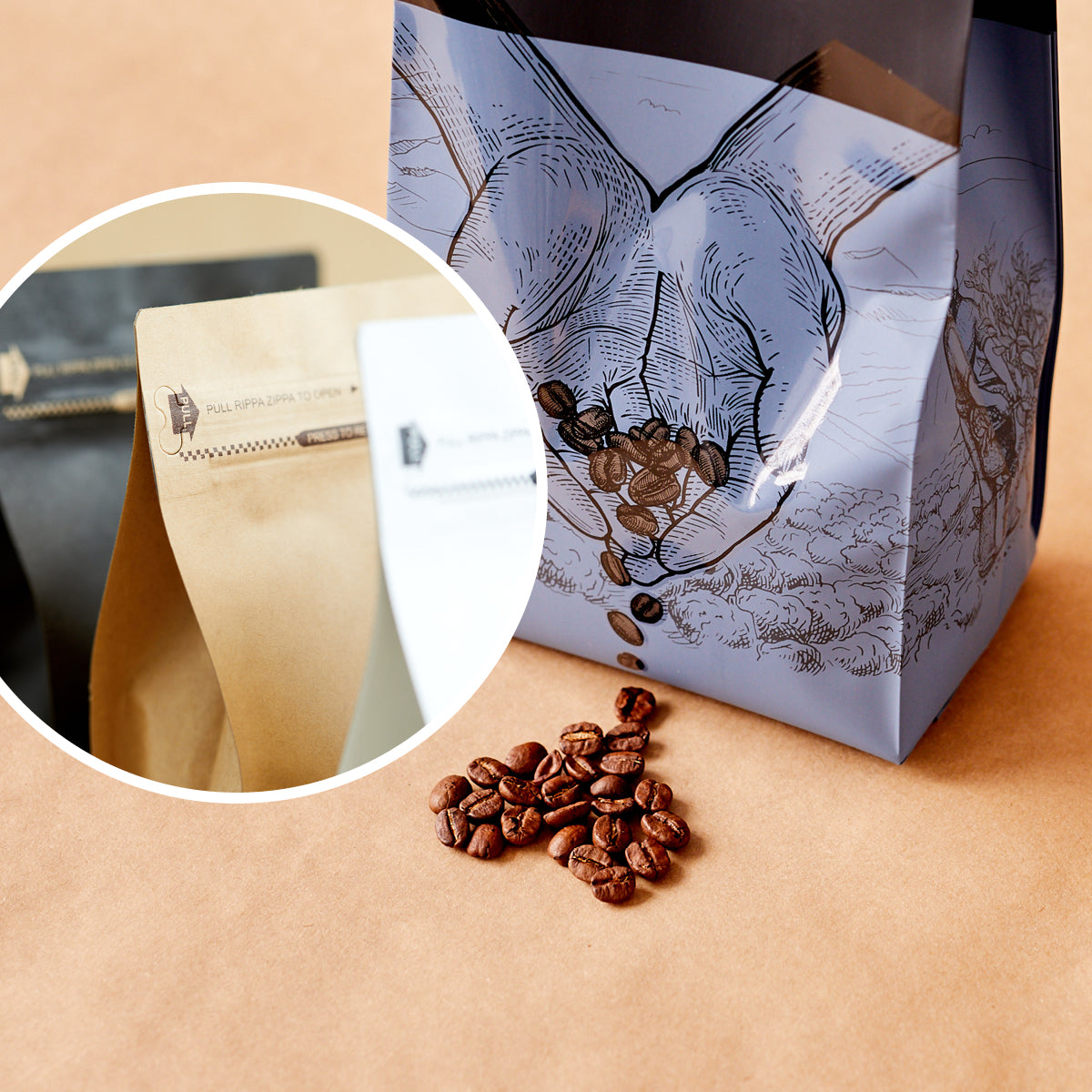
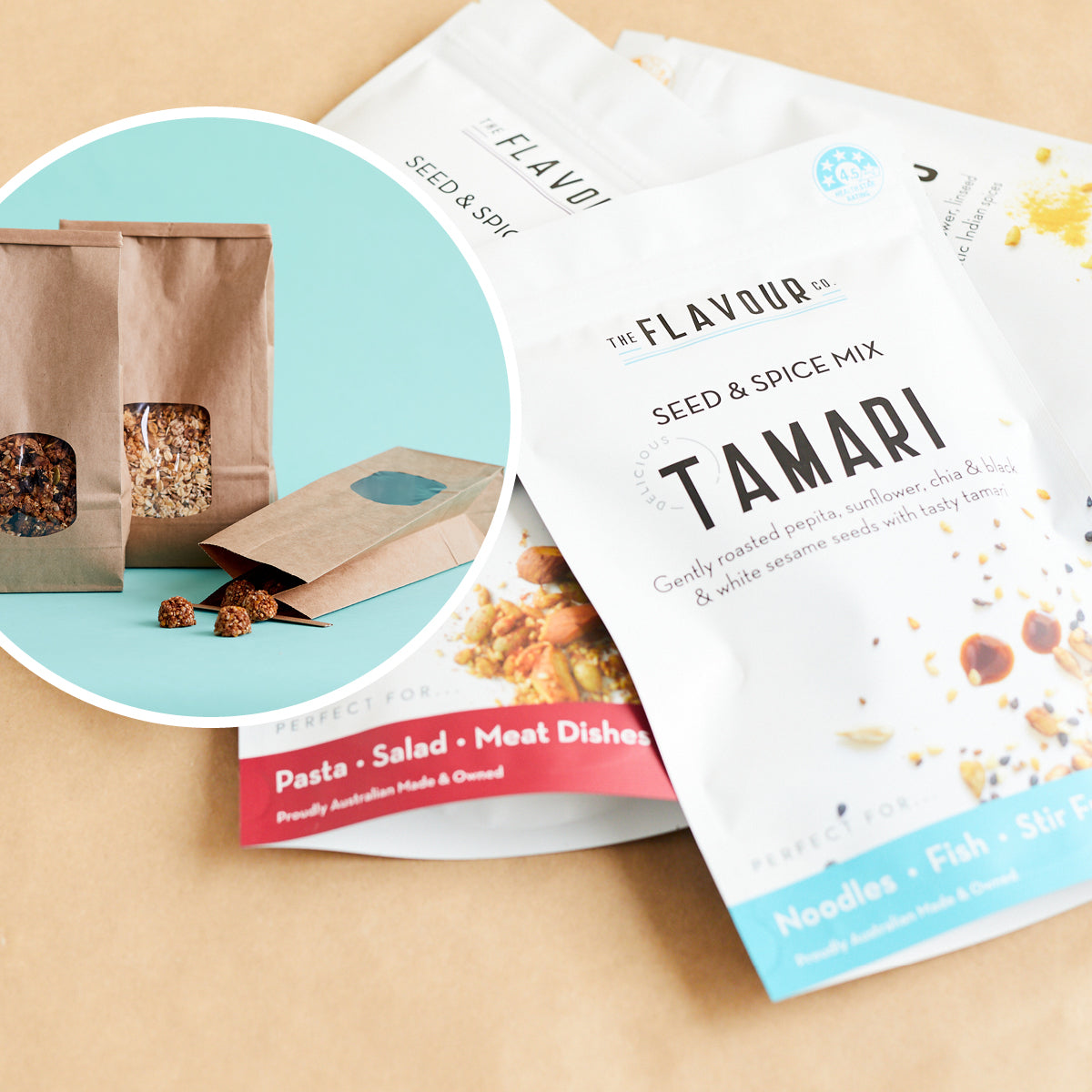
Shipping cartons: Corrugated and robust, designed to handle freight and bulk movement.
-
E-commerce mailers: Lighter-weight, efficient to assemble, brand-ready.
-
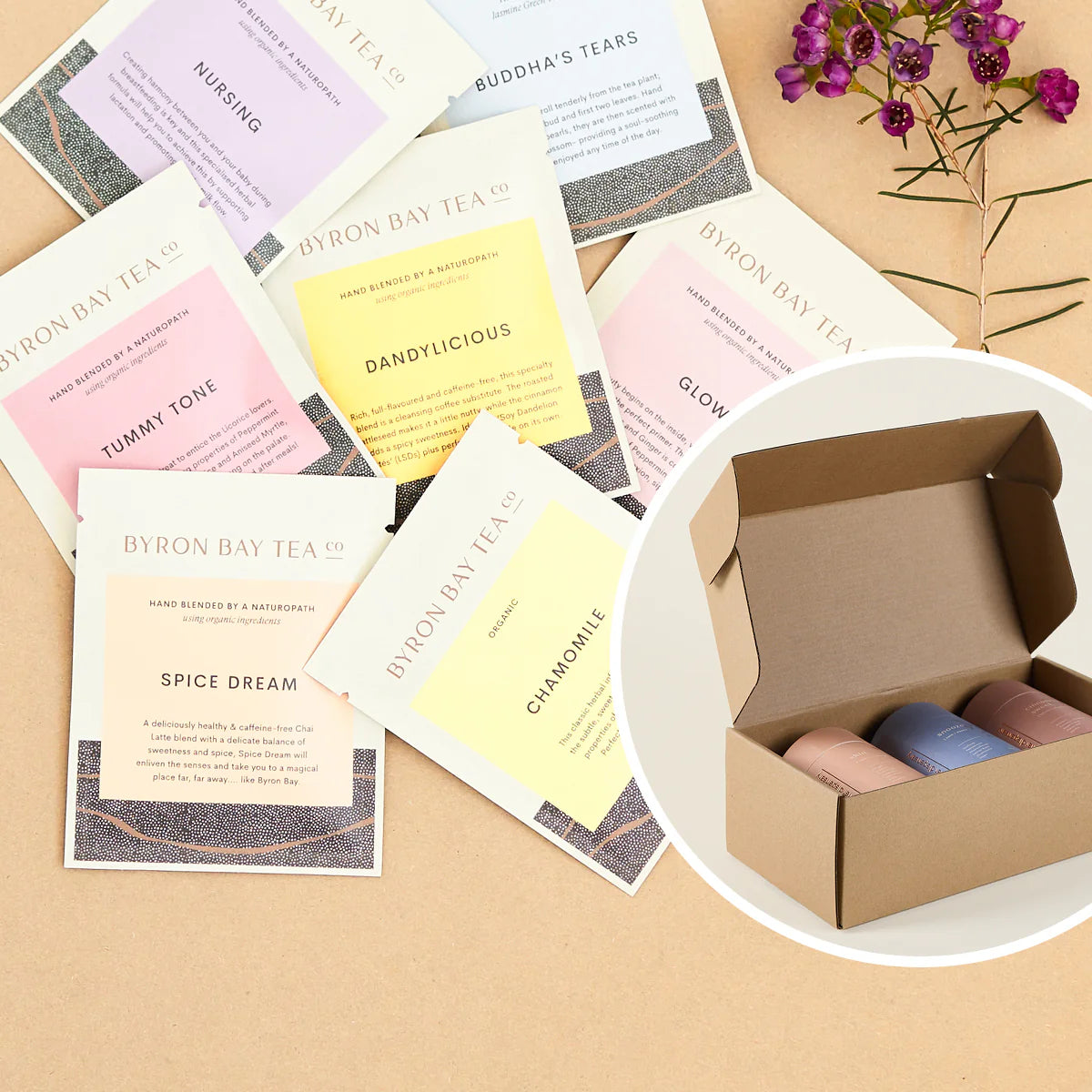
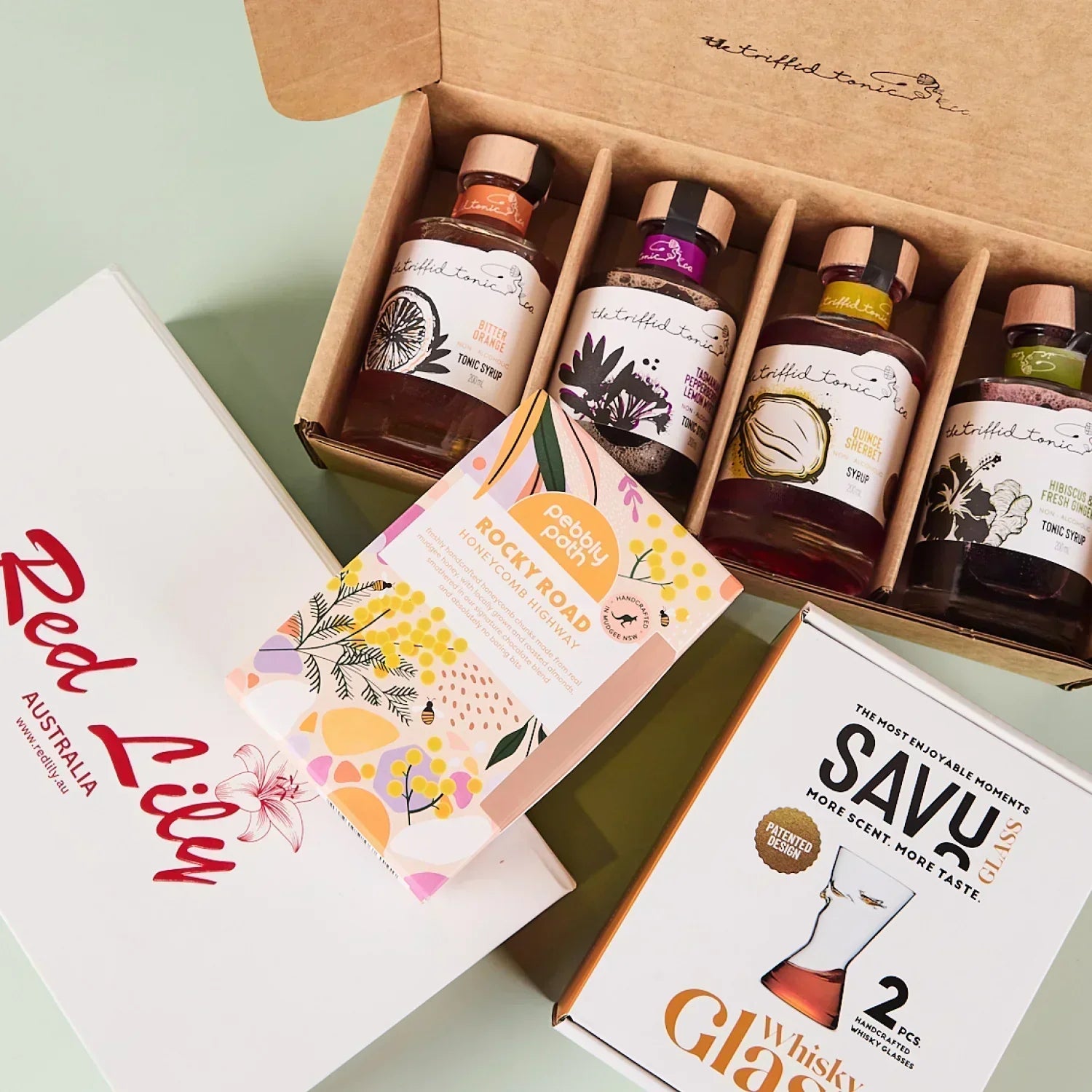
Rigid or folding gift boxes: Used for premium or presentation-led products.
- Sleeve or drawer-style boxes: Often used for product sets or repeat-use packaging.
If you’re sourcing box packaging wholesale, consistency matters. Selecting a style that scales easily across SKUs reduces complexity as volumes grow.
Get sizing right (and avoid overpacking)
Oversized boxes push up freight costs and usually mean more filler than you really want. Undersized boxes risk damage and delays. Getting sizing right is one of the simplest ways to improve efficiency across packing and shipping.
Measure:
- Product dimensions, including any inner wrapping
- Tolerances for hand-packing or automated packing
- Secondary packaging if boxes sit inside shippers
For businesses selling sets or bundled products, custom packaging boxes designed around bags, cylinders, or internal components can cut down void fill and speed up packing.
Material choice: practical and recyclable
Most businesses today are juggling durability with environmental responsibility. Kerbside-recyclable cardboard packaging remains a widely accepted option across Australia and works well with existing recycling systems.
Material considerations include:
- Board strength suited to product weight
- Surface finish for printing or labelling
- Storage conditions (humidity, stacking time)
Recyclability should always be communicated clearly and accurately. Avoid claims that don’t reflect the actual material or local recycling streams. Clear, honest packaging choices help build trust with both customers and internal teams.
Custom box packaging and branding considerations
Custom box packaging comes down to fit, clarity, and consistency. Even simple branding elements like logo placement, colour control, or structural tweaks can make packaging easier to recognise and more consistent across channels.
Custom packaging boxes can support:
- Brand recognition during unboxing or delivery
- Cleaner presentation on shelves or at events
- Better alignment across product ranges
Short-run custom options are useful for launches or seasonal products, while longer runs suit established lines ordering through box suppliers with stock-on-hand and repeat availability. Considering custom packaging? Fill out our enquiry form and we’ll help you land on the right option.
Wholesale supply, short-run orders, and supplier conversations
Not every business starts with large volumes, and that’s completely normal. A good supplier supports both. Availability often matters just as much as pricing. Low MOQs make it easier to trial new products or adjust packaging without overcommitting, while stock held locally supports faster delivery and more predictable reordering.
When comparing box suppliers, it’s worth looking beyond unit price:
- Can they supply small box packaging now and scale later?
- Is stock held locally for faster turnaround?
- Do they support repeat orders without redesigning each time?
Being clear about your needs speeds up supplier guidance. Prepare details like product dimensions, intended use (shipping, retail, gifting), estimated order volumes, and any custom packaging box requirements. This ensures suppliers can recommend the right options, whether you’re looking for gift box packaging, E-commerce mailers, or box packaging wholesale.
Think long-term, not just this order
Packaging decisions have a habit of sticking around. Changing box sizes or materials later affects logistics, artwork, and customer experience.
Consider:
- Future product extensions
- Warehouse space and pallet efficiency
- Ongoing availability of the same box format
Planning slightly ahead without overcommitting can save time and rework later on.
Secure the right boxes now
Thoughtful packaging protects your products, supports your brand, and keeps everything running smoothly behind the scenes. Don’t leave it to chance; getting the right packaging box now saves time, reduces risk, and ensures your products reach customers in perfect condition.
Browse our full box range online today, or contact our team for tailored guidance.