
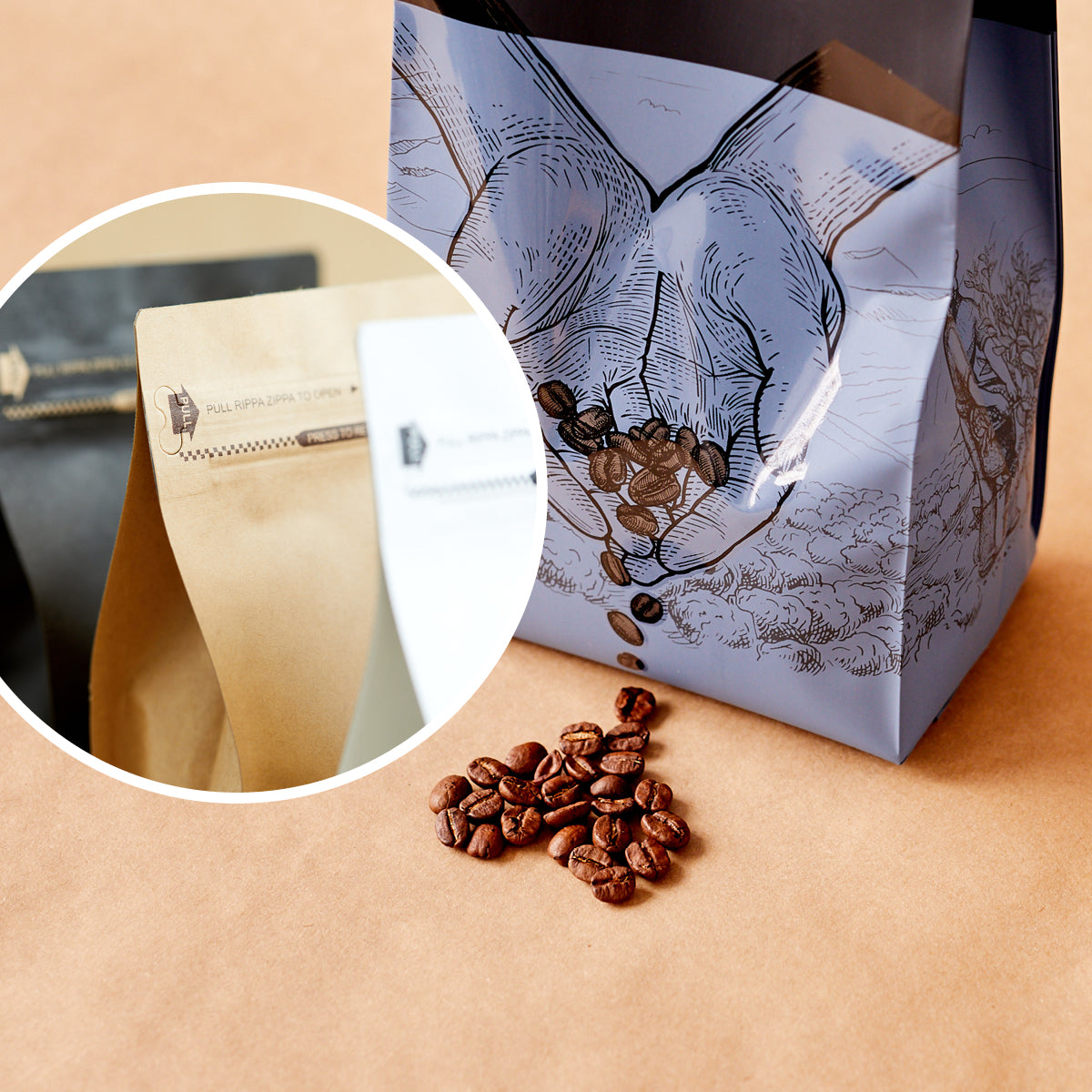
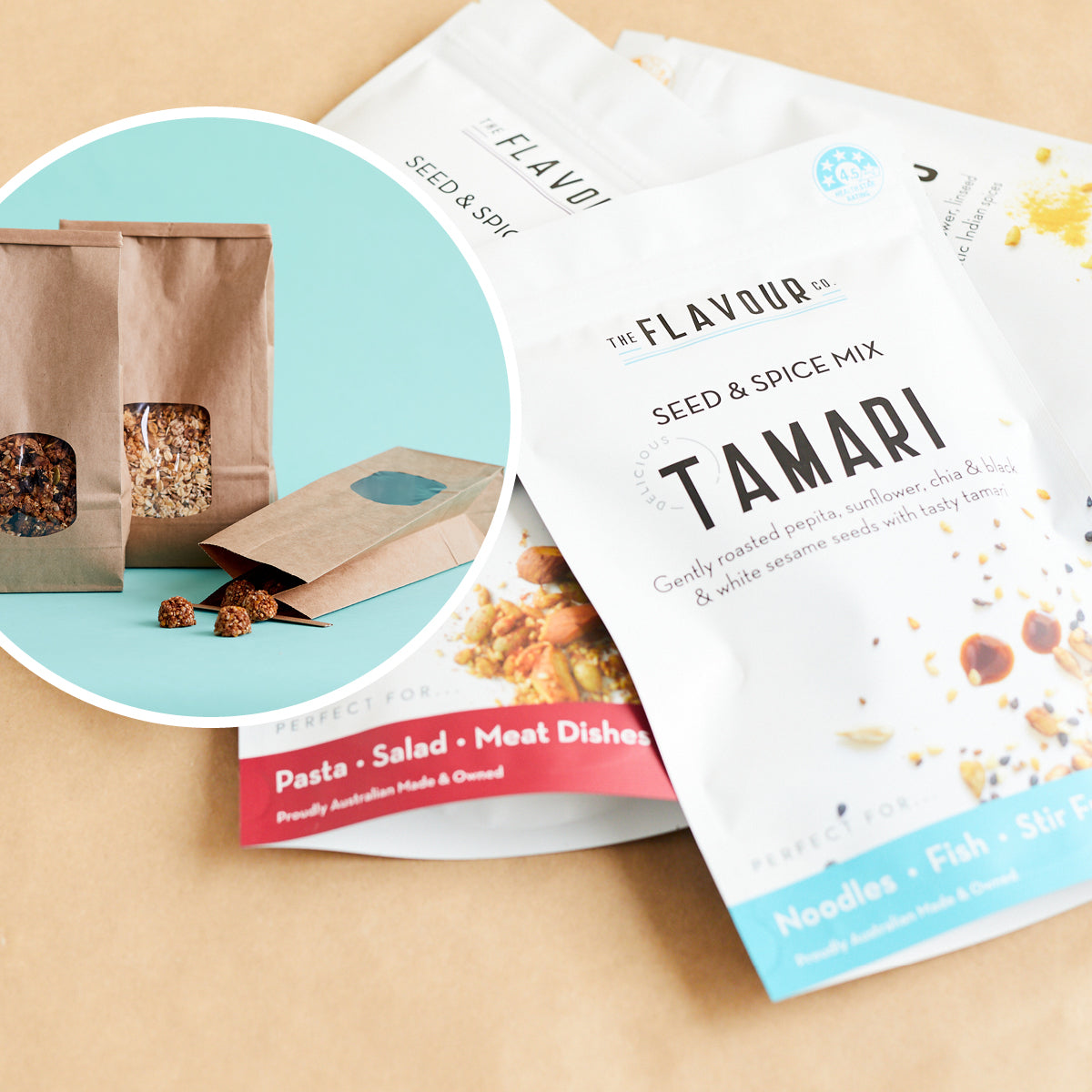
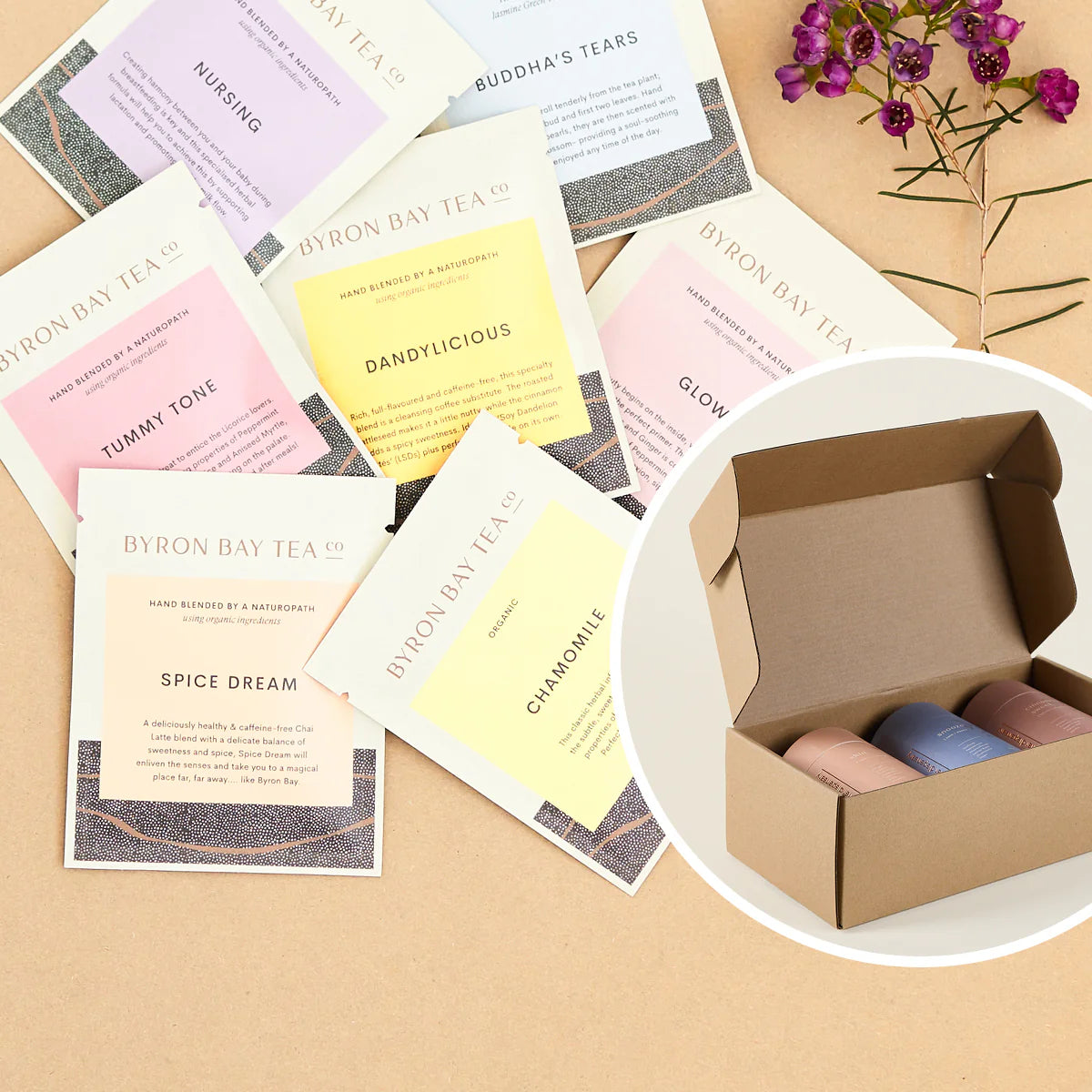
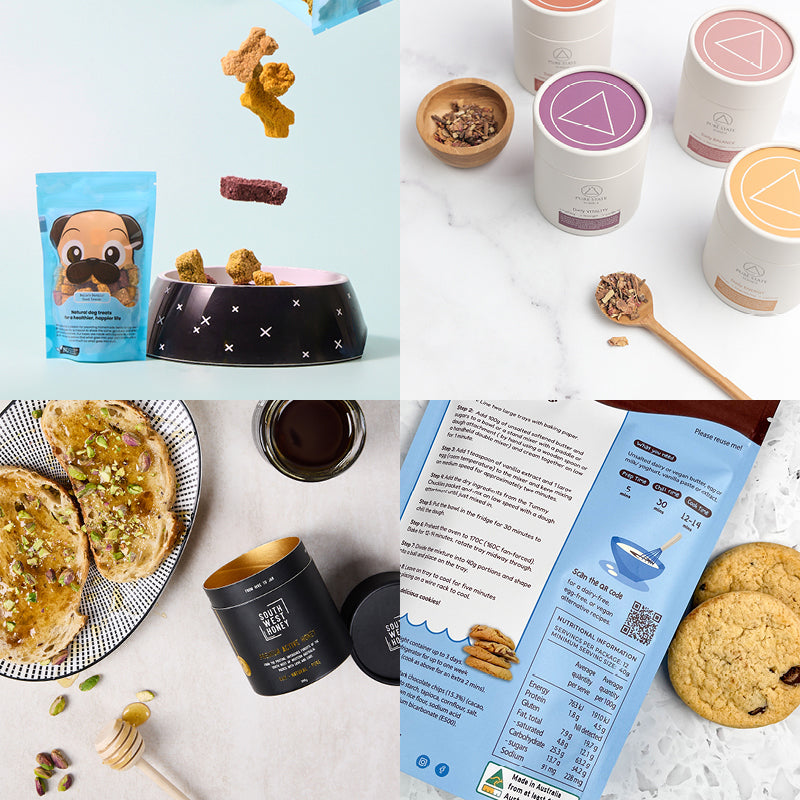
A great product idea is one thing… figuring out how it actually shows up on shelf is another. You’re not alone.
The packaging design process is where a lot of good ideas either come together beautifully or get stuck in back-and-forth, delays, and costly rework. For time-poor teams juggling launches, redesigns, and tight timelines, understanding how packaging moves from concept to production can save a lot of headaches (and budget).
Here’s a clear, step-by-step look at how it all works and where the smart decisions happen.
Step 1: Start with clarity (not just a mood board)
Before any design begins, the groundwork matters.
This stage is all about:
- Your product and target audience
- Where it will be sold (e.g. cafés, retail, eCommerce)
- Packaging format (boxes, pouches, labels, bottles)
- Any existing branding or starting from scratch
A solid brief keeps everyone aligned and avoids the classic “this isn’t what we meant” moment later on. Clear communication early in design projects significantly reduces revisions and production errors, particularly in packaging workflows.
If you’re exploring packaging design in Australia, this is also where local considerations come in, like supplier capabilities, print methods, and realistic timelines.
Step 2: Quoting and scope
Once your goals are clear, the next step is locking in scope.
Getting this right up front keeps the project smooth. It also gives you flexibility to scale, especially if you’re planning a full range rollout or future SKUs.
This includes:
- What’s being designed (primary + secondary packaging)
- Number of concepts and revisions
- Timelines for design and production
- Budget alignment
Step 3: Design brief + content collection
Design isn’t just about visuals; it relies heavily on content.
That includes:
- Product information
- Barcodes and QR codes
- Ingredients or compliance details
- Brand messaging
Missing content is one of the biggest causes of delays in the packaging design process.
Step 4: Design begins (ideas take shape)
Now the fun part, actual packaging design.
You’ll receive:
- Initial concepts or first drafts
- Visual directions aligned to your brand
- Options that consider both shelf appeal and usability
This isn’t just about making something look good. Strong brand packaging design balances creativity with practicality, including how it prints, how it folds, and how it feels in-hand.
You’ll also go through revisions here. Quick, clear feedback keeps things moving and avoids timeline blowouts. If you want to see how that plays out in real projects, you can explore examples in our gallery.
Step 5: Dielines and print-ready files
This is where many DIY designs fall over.
Dielines (the technical template of your packaging) need a precise setup:
- Correct dimensions and bleed
- Layering for finishes (foil, embossing, varnish)
- Alignment across panels and folds
This step requires real production know-how to ensure what you see on screen actually translates to print. If you’ve ever had artwork shift, colours look off, or text cut incorrectly, this is usually where things went wrong.
Step 6: Approval and production
Once everything is signed off, production begins.
Standard timelines:
- Design: 2-3 weeks
- Labels: 1 week
- Custom packaging: 10–12 weeks (with express options of 4-6 weeks available)
At this stage, changes become expensive, so approvals matter. Final artwork sign-off is what triggers production timelines, so getting this right is key.
Where things often go off track
Even with a solid plan, a few common bottlenecks can slow things down:
- Incomplete or late content
- Designs that don’t translate to production
- Misalignment between design and supplier capabilities
- Too many revision rounds without a clear direction
The biggest risk? Treating packaging as “just design” instead of a full process that includes production realities.
Why an end-to-end approach works better
Having the right design and production partner changes everything.
A team that handles both creative and production brings:
- Practical design decisions from day one
- Faster turnaround with fewer revisions
- Better coordination across suppliers
- Low MOQ options to help you get started
- Packaging that holds up in production and on shelf
That’s exactly how we approach custom packaging, connecting the dots from concept through to shelf, without the usual disconnect between design and manufacturing.
Ready to turn ideas into production?
The packaging design process doesn’t need to feel complicated, but it does need to be strategic.
When each step is handled properly, you get:
- A smoother timeline
- Fewer costly surprises
- Packaging that actually works in-market
And most importantly, a product that shows up exactly how you intended.
If you’re planning a launch or looking to refresh your current range, getting the process right from the start will save you time, budget, and a whole lot of back-and-forth. Send us an enquiry or get in touch with our team.